Table of Contents
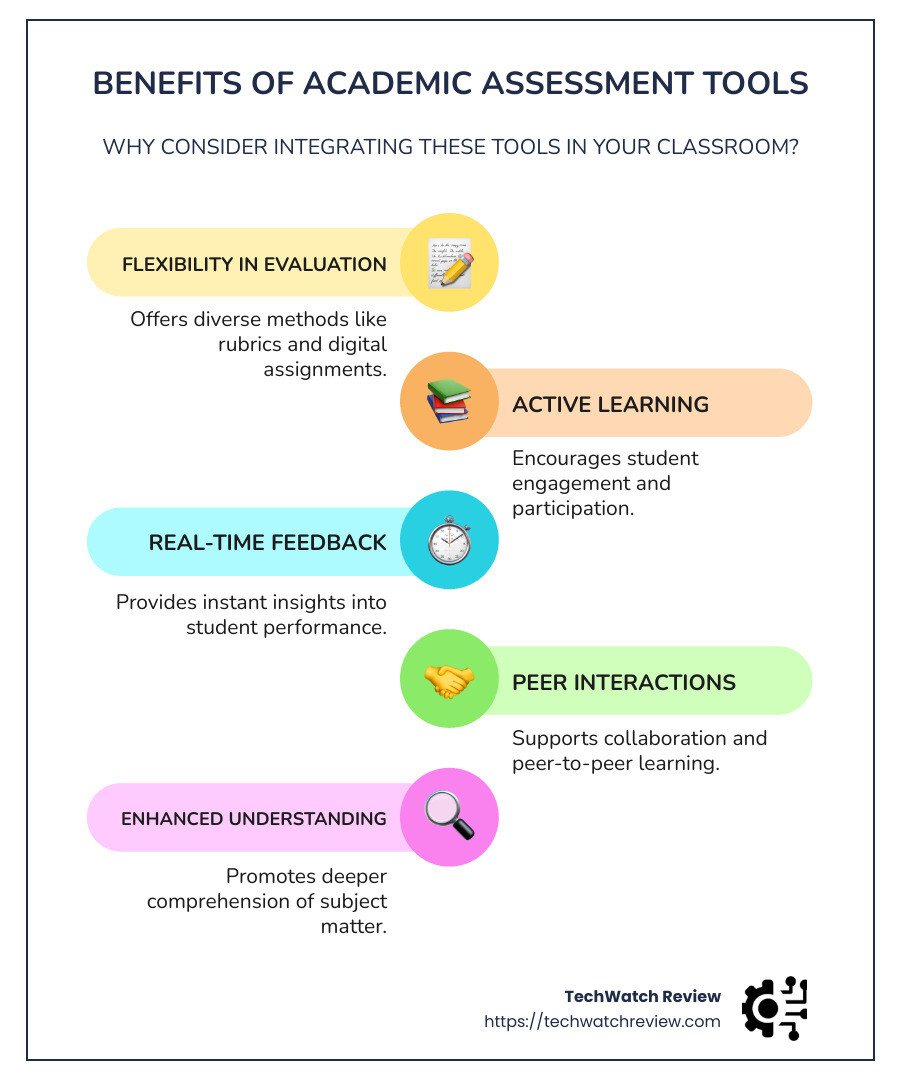
Academic assessment tools are crucial in modern education, transforming how educators evaluate and enhance student learning. These tools extend beyond traditional exams, offering diverse methods such as grading rubrics, digital assignments, and real-time polling. Their significance lies in the flexibility they provide, enabling ongoing, personalized student evaluations that promote active participation and deeper understanding.
Quick Insights on Academic Assessment Tools:
- Variety of tools such as rubrics and self-assessment
- Support for active learning and peer interactions
- Real-time feedback and engagement with students
As education continually evolves, these tools are indispensable for both educators and students. They help ensure that learning outcomes are achieved and that students are equipped for future challenges. Their purpose is clear: to foster an adaptive, inclusive, and efficient educational environment that caters to diverse learning styles and needs.
Educators and institutions must carefully select the right tools to maximize their educational impact and drive continuous improvement. This guide will delve deeper into types, benefits, and best practices for using these innovative tools in academic settings. For more insights, explore our articles on higher education analytics, student information systems, and university student portals.

What are Academic Assessment Tools?
Academic assessment tools are resources that help educators evaluate and improve student learning. They go beyond traditional exams, offering diverse methods like grading rubrics, digital assignments, and real-time polling. These tools are essential for creating flexible learning environments that support active participation and deeper understanding.
Types of Academic Assessment Tools
Academic assessment tools come in various forms, each serving a specific purpose in the educational process. Here’s a closer look at some common types:
-
Grading Rubrics: These provide clear criteria for evaluating student work, helping both students and teachers understand expectations. Rubrics can be used for essays, projects, and presentations.
-
Canvas Assignments: This digital platform allows instructors to create and manage assignments online. It offers features like automatic grading and feedback, making it easier to track student progress.
-
Plagiarism Detection: Tools like Turnitin help ensure academic integrity by checking student work for originality. They are crucial for maintaining fair and honest assessments.
-
Self-Assessment and Peer Assessment: These tools encourage students to reflect on their own work or evaluate their peers’. They promote critical thinking and can improve collaboration skills.
-
Surveys and Classroom Polling: Real-time polling tools like Kahoot! and Poll Everywhere engage students during lessons and provide instant feedback to instructors. Surveys can gather student opinions and insights on their learning experiences.
Examples of Academic Assessments
Academic assessments can be broadly categorized into formative and summative types, each serving different roles in the learning process.
-
Formative Assessments: These are ongoing assessments used to monitor student learning and provide feedback. Examples include quizzes, class discussions, and homework assignments. They help identify areas where students need improvement.
-
Summative Assessments: Conducted at the end of a learning period, these assessments evaluate overall student understanding. Common examples are final exams, projects, and standardized tests.
-
Quizzes and Homework Assignments: These are frequent, low-stakes assessments that keep students engaged and provide regular feedback. Quizzes often test knowledge retention, while homework reinforces daily learning.
-
Class Discussions: These encourage students to articulate their thoughts and engage with peers. Discussions can be assessed informally through participation or formally with rubrics.
By integrating these tools and assessments, educators can create a dynamic and responsive learning environment. They allow for a comprehensive understanding of student progress and help tailor instruction to meet diverse needs.

Incorporating academic assessment tools effectively requires understanding their types and examples, ensuring they align with educational goals. This approach not only improves learning but also prepares students for future academic and professional challenges.
Why Use Academic Assessment Tools?
Academic assessment tools are invaluable for educators aiming to create engaging and effective learning environments. These tools offer a multitude of benefits that go beyond traditional testing methods.
Active Learning
Academic assessment tools are instrumental in promoting active learning. Unlike passive learning, where students merely absorb information, active learning requires students to engage with the material, participate in discussions, and apply their knowledge in real-world scenarios. Tools like interactive quizzes and digital platforms such as Canvas Assignments facilitate this by offering interactive elements that keep students engaged and motivated. For more insights on active learning strategies, you can explore this article on TechWatch Review.
Team-Building and Peer-to-Peer Learning
Team-building activities and peer-to-peer learning are essential for developing students’ social and collaborative skills. Tools like peer assessment and group projects encourage students to work together, share perspectives, and learn from one another. This collaborative approach not only improves learning but also prepares students for teamwork in professional settings. For instance, peer assessment tools allow students to evaluate each other’s work, fostering a sense of responsibility and critical thinking. Learn more about the benefits of peer-to-peer learning in this TechWatch Review article.
Alternative Assessment Methods
Traditional exams are not the only way to measure student understanding. Alternative assessment methods such as portfolios, presentations, and creative projects provide students with different ways to demonstrate their knowledge. These methods cater to diverse learning styles and can be more inclusive of students’ strengths. The Mastery Transcript Consortium is an example of an innovative assessment approach that evaluates students based on their skills and competencies rather than traditional grades. For a deeper dive into alternative assessments, check out this resource on TechWatch Review.
Real-Time Student Learning Check
One of the significant advantages of digital assessment tools is the ability to conduct real-time student learning checks. Tools like classroom polling apps, such as Kahoot! and Poll Everywhere, provide instant feedback, allowing educators to gauge student understanding on the spot. This immediate feedback loop helps instructors identify areas where students struggle and adjust their teaching strategies accordingly. Discover more about real-time feedback tools in this TechWatch Review article.
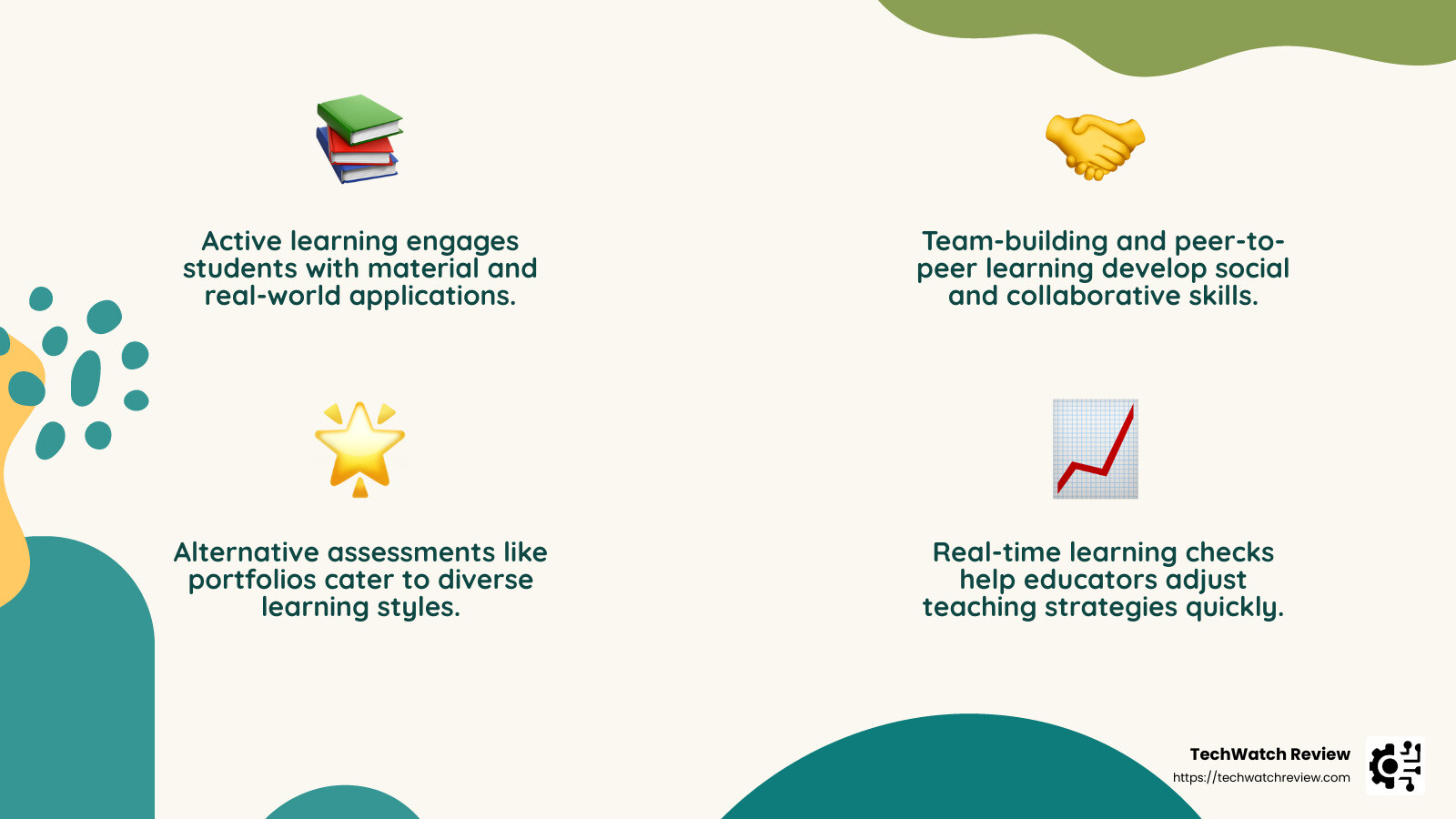
In summary, incorporating academic assessment tools into the classroom setting can transform the educational experience. By promoting active learning, facilitating teamwork, offering diverse assessment methods, and providing real-time insights, these tools empower educators to create more effective and engaging learning environments.
Key Academic Assessment Tools
In the field of education, a variety of academic assessment tools are used to gauge student learning and performance. These tools range from traditional tests to innovative digital platforms, each serving a unique purpose in the educational landscape.
Standardized Tests
Standardized tests are a common tool used to assess students’ academic abilities in a consistent manner. These tests provide a baseline for comparing student performance across different regions and demographics. Some widely recognized standardized tests include:
-
Wechsler Intelligence Scale for Children (WISC-IV): This test measures a child’s intellectual ability and is often used to identify giftedness or learning disabilities. More information can be found on the official website.
-
Woodcock-Johnson Tests of Cognitive Abilities: These tests assess a wide range of cognitive skills and are frequently used in educational settings to evaluate student potential. Visit the Riverside Insights website for further details.
-
Kauffman Assessment Battery for Children (KABC-II): Focused on cognitive development, this test helps in understanding children’s learning styles and cognitive strengths. Additional information is available on the Hogrefe website.
These tools are essential for educational planning and can guide decisions about special education services and gifted programs.
Digital Tools for Real-Time Data Collection
With advancements in technology, digital tools have become invaluable for collecting real-time data on student performance. These tools provide immediate feedback and allow for a more dynamic assessment approach:
-
Online Tests and Quizzes: Platforms like Gradescope offer automated grading and instant feedback, making them ideal for large classes.
-
Interactive Games and Simulations: These tools engage students in active learning by simulating real-world scenarios. They are particularly effective in subjects like science and history, where practical application of knowledge is crucial. Check out PhET Interactive Simulations for examples.
-
Classroom Polling Tools: Apps like Kahoot! and Poll Everywhere facilitate quick assessments of student understanding during lessons, allowing teachers to adjust their instruction in real time.
Diagnostic Assessment Tools
Diagnostic assessments are designed to identify specific learning challenges and inform targeted interventions. These tools are crucial for understanding individual student needs:
-
Gray Oral Reading Test: This tool assesses reading fluency and comprehension, helping educators identify students who may need additional reading support. More details can be found on the Pro-Ed website.
-
Comprehensive Test of Phonological Processing (CTOPP): Used to evaluate phonological processing abilities, this test is essential for diagnosing reading disorders like dyslexia. Visit Pearson Assessments for more information.
-
Test of Word Reading Efficiency (TOWRE): This assessment measures the speed and accuracy of word reading, providing insights into a student’s decoding skills. Further information is available on the Pro-Ed website.
Incorporating these diagnostic tools into the educational process allows for personalized learning plans that address each student’s unique needs, ultimately enhancing their academic growth.
By leveraging a combination of standardized, digital, and diagnostic tools, educators can create a comprehensive assessment strategy that supports student success and fosters a deeper understanding of learning outcomes.
Considerations for Using Academic Assessment Tools
When integrating academic assessment tools into the classroom, there are several important factors to consider to ensure their effective use.
Technical Considerations
Since many assessment tools are digital, technical issues might arise. It’s crucial to ensure that both students and teachers have access to reliable internet connections and compatible devices. Some tools may require specific software or hardware, so checking these requirements in advance can save time and prevent frustration.
Additionally, instructors should be prepared for potential technical glitches. Having a backup plan, such as printed copies of assessments or alternative activities, can help maintain the flow of learning if technology fails.
For more insights on managing technical challenges, you can explore resources from EdTech Magazine.
Ease of Use
Ease of use is another key factor. Choose tools that are intuitive and user-friendly. Tools that are too complicated can lead to confusion and take away from learning time. Many platforms, like Canvas LMS, offer straightforward interfaces that make it easy for educators to create and manage assessments.
Before fully implementing a new tool, consider running a trial session to familiarize both teachers and students with its features. This helps mitigate any initial learning curve and ensures a smoother transition.
For additional tips on selecting user-friendly tools, visit Tech & Learning.
Learning Curve
While some tools are simple, others may require significant time to learn. It’s important to weigh the benefits against the time investment needed to master the tool. Providing training sessions or tutorials can help educators and students become proficient more quickly.
Resources like the Center for Teaching and Learning can offer valuable support and training materials to ease the learning curve.
For more guidance on training and support, check out EdSurge.
Thoughtful Design
Finally, thoughtful design of assessments is crucial. Align assessments with learning objectives to ensure they accurately measure student understanding. Consider the capabilities of the chosen tools when designing assessments. For example, if using a tool that supports multimedia, incorporate videos or images to improve engagement.
Moreover, incorporating diverse types of assessments, such as peer assessments or self-assessments, can address different learning styles and provide a more comprehensive view of student progress.
For strategies on designing effective assessments, you can read more on TechWatch Review’s blog.
By considering these factors, educators can effectively integrate academic assessment tools into their teaching strategies, enhancing both the learning experience and educational outcomes.
How to Get Started with Academic Assessment Tools
Starting on the journey to incorporate academic assessment tools into your teaching strategy can seem daunting at first. However, with the right resources and guidance, it can transform the learning experience for both educators and students.
Consultation
One of the first steps to successfully integrate these tools is to seek consultation. Many institutions offer services where experts can advise on the best practices for using various assessment tools. For instance, reaching out to your institution’s Center for Teaching and Learning can provide personalized support. These centers often have experienced staff who can guide you through selecting tools that align with your educational goals and the specific needs of your students. You can also explore TechWatch Review’s article on educational technology for additional insights.
Resource Library
Another valuable resource is the Resource Library. These libraries often house a plethora of materials, such as tutorials, guides, and case studies, designed to help educators steer academic assessments. They serve as a comprehensive repository where you can find information on everything from setting up digital assessments to understanding student feedback.
For those who prefer self-guided learning, exploring the Resource Library can be an excellent way to get acquainted with different tools at your own pace. Many libraries also provide access to webinars and workshops that can further improve your understanding. Check out TechWatch Review’s guide on digital learning resources for more information.
Center for Teaching and Learning
The Center for Teaching and Learning (CTL) is a cornerstone for educators aiming to improve their teaching methodologies. These centers not only offer consultations but also provide ongoing support through workshops, seminars, and training sessions. Engaging with the CTL can help you stay updated on the latest trends and innovations in academic assessments.
For example, the Center for Teaching and Learning at Columbia University offers a range of programs that can help educators effectively integrate technology into their teaching practices. By leveraging such resources, educators can ensure that they are using the most effective and innovative assessment tools available. Additionally, you can explore TechWatch Review’s insights on teaching innovations to stay informed about the latest advancements.
By utilizing these resources, educators can confidently begin their journey with academic assessment tools, ensuring they are well-prepared to improve their teaching practices and improve student learning outcomes.
Frequently Asked Questions about Academic Assessment Tools
What are the tools of assessment in education?
Academic assessment tools are vital for evaluating student knowledge and skills. They include a variety of methods:
-
Grading Rubrics: These are guidelines that outline criteria and standards for evaluating student work. Rubrics help ensure consistency and transparency in grading.
-
Canvas Assignments: This tool allows educators to create and manage assignments online. It offers features like submission tracking and grading, making it easier to assess student work.
-
Plagiarism Detection: Tools like Turnitin help ensure academic integrity by checking student submissions for originality.
-
Self-assessment and Peer Assessment: These methods encourage students to evaluate their own or each other’s work, promoting reflection and critical thinking.
-
Surveys and Classroom Polling: These tools gather feedback from students, providing insights into their learning experiences and understanding of the material.
For more insights on these tools, you can explore this article on educational technology.
What is an example of an academic assessment?
Academic assessments come in various forms, each serving different purposes:
-
Quizzes: Short tests that gauge student understanding of specific topics. They are often used as formative assessments to provide immediate feedback.
-
Homework Assignments: Tasks assigned to students to complete outside of class, reinforcing learning and providing practice.
-
Class Discussions: Interactive sessions where students engage in dialogue, allowing educators to assess their comprehension and communication skills.
-
Summative Assessments: These are comprehensive evaluations, such as final exams or projects, used to measure student learning at the end of a unit or course.
For a deeper dive into different types of assessments, check out this resource on assessment strategies.
Which tool is used for assessing students’ academic abilities?
There are several tools used to assess students’ academic abilities, each with its unique approach:
-
Standardized Tests: These are formal assessments like the Wechsler Intelligence Scale for Children, designed to evaluate student performance against a standard set of criteria.
-
Essays: Writing assignments that assess a student’s ability to articulate thoughts, analyze information, and construct arguments.
-
Portfolios: Collections of student work that demonstrate learning progress and achievements over time.
-
Practical Demonstrations: Hands-on assessments where students perform tasks or experiments to show their understanding and skills.
These tools, when used effectively, provide a comprehensive view of student capabilities and learning progress. They are essential components of a robust educational framework, supporting both teaching and learning objectives. For more on how these tools can be implemented, visit this guide on academic assessments.
In the evolving landscape of education, academic assessment tools are pivotal in enhancing student learning experiences and outcomes. These tools offer a variety of methods to evaluate knowledge, skills, and competencies, extending beyond traditional exams to include digital platforms and innovative techniques. As discussed, tools such as grading rubrics, plagiarism detection software, and self-assessment methods equip educators with the resources to promote active learning and refine teaching strategies.
TechWatch Review is dedicated to assisting educators in navigating these tools effortlessly. By offering expert reviews and insights, we aim to empower educational institutions to choose the most suitable solutions for their needs. Our blog articles provide comprehensive guidance on integrating technology into teaching and learning.
Looking forward, the future of academic assessment is poised for transformation with the introduction of AI and VR technologies. These advancements promise to deliver more personalized and immersive learning experiences. For example, AI-driven assessments can offer real-time feedback and adapt to individual learning paces, while VR can create engaging simulations for practical learning scenarios.
Additionally, the shift towards data-driven instruction is gaining traction. By utilizing data analytics, educators can gain deeper insights into student performance and learning patterns. This approach facilitates targeted interventions and supports the continuous enhancement of educational programs.
As we embrace these future trends, the importance of selecting the right tools cannot be overstated. We invite you to explore our resources and stay informed about the latest developments in educational technology. Together, we can enhance the learning journey for students and prepare them for success in an increasingly complex world.