Table of Contents
- 1. Publish Industry Studies
- 2. Send Out Weekly Newsletters
- 3. Test Out LinkedIn Content
- 4. Create Complete Guides
- 5. Invest In B2B Video Content
- 6. Promote Your Content With Email
- 7. Focus on Commercial and Transactional Intent Keywords
- 8. Find Fresh Topic Ideas
- 9. AI-Assisted Content
- 10. Hyper-Targeted Content
- 11. B2B Brand Communities
- 12. Omnichannel Video Content
- 13. Using TikTok as a B2B Marketing Channel
- 14. Repurposed Content
- 15. B2B Podcasts
- Frequently Asked Questions about B2B Content Marketing Ideas
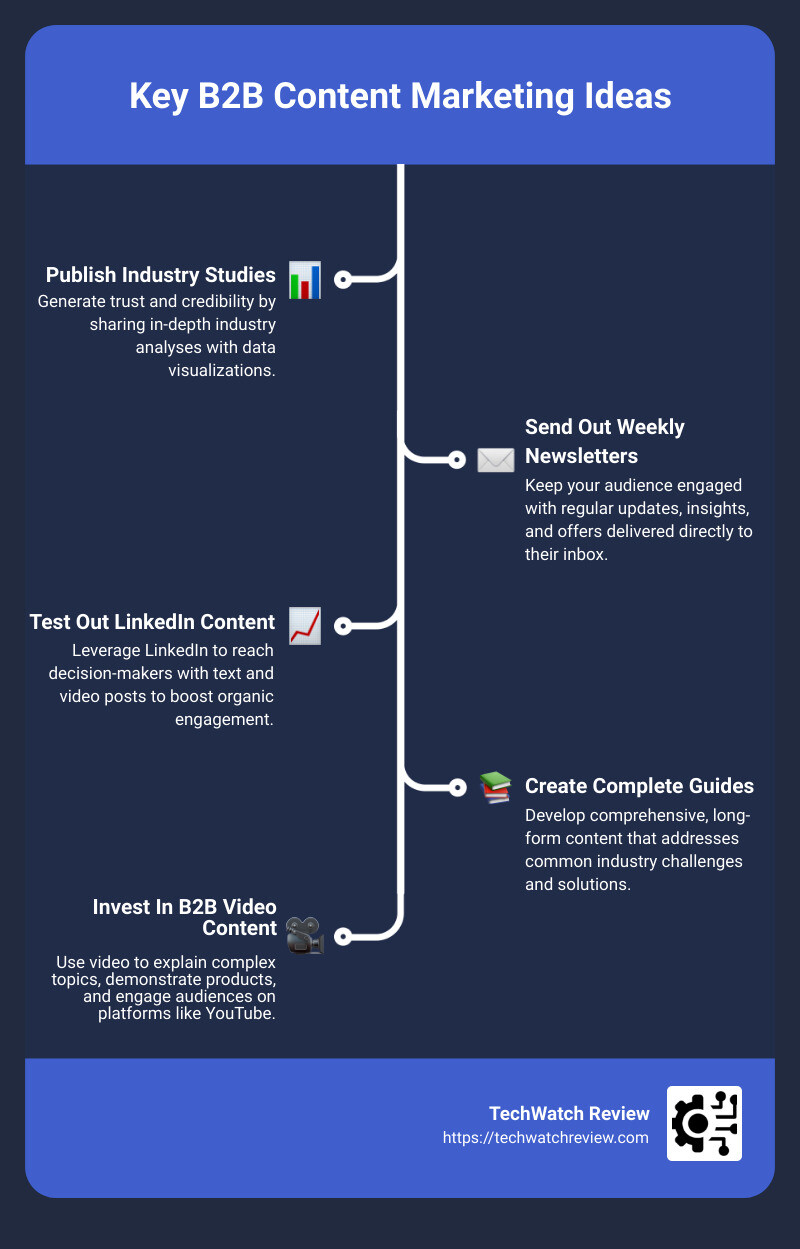
B2B content marketing ideas are essential for any business looking to improve its digital presence and drive qualified leads. Understanding some fresh and innovative ideas can help your business stay ahead in the competitive market. Here, we’ll quickly cover 15 fresh ideas you can try in your B2B content marketing strategy:
- Publish Industry Studies
- Send Out Weekly Newsletters
- Test Out LinkedIn Content
- Create Complete Guides
- Invest In B2B Video Content
- Promote Your Content With Email
- Focus on Commercial and Transactional Intent Keywords
- Find Fresh Topic Ideas
- AI-Assisted Content
- Hyper-Targeted Content
- B2B Brand Communities
- Omnichannel Video Content
- Using TikTok as a B2B Marketing Channel
- Repurposed Content
- B2B Podcasts
Now that you have a quick overview, let’s dive into the importance of B2B content marketing and how it can transform your brand.
B2B content marketing is a powerful tool for building brand awareness, driving traffic, generating leads, and boosting sales among business clients. Unlike B2C marketing, which targets a broad audience, B2B content needs to be highly focused and strategic. It’s all about reaching decision-makers within organizations who are looking for solutions to their specific challenges.
At TechWatch Review, we understand the value of effective B2B content marketing. Our own success is a testament to how well-thought-out content strategies can drive results. For example, our comprehensive approach has led us to amass a significant number of visitors and subscribers, translating directly into revenue and customer trust. By leveraging various content types—from industry studies and newsletters to videos and podcasts—we engage our audience and position ourselves as a go-to resource in the tech world.

To help you achieve similar success, this article will explore 15 fresh B2B content marketing ideas that are backed by research and proven in practice. These strategies are designed to meet the changing needs of the market and keep your brand ahead of the curve.
B2b content marketing ideas terminology:
- 6 tips to optimize your b2b marketing
- b2b social media marketing tips
- inbound marketing tips for b2b companies
1. Publish Industry Studies
Publishing industry studies is one of the most effective B2B content marketing ideas. Why? Because they provide valuable insights backed by data, making your brand a go-to resource in your niche.
Graphs and Charts
Graphs and charts are essential for making your industry study visually appealing and easy to digest. They help break down complex data into understandable chunks. For instance, a study by Sprout Social highlights how various industries use social media, complete with detailed charts showing engagement metrics.

Data Transparency
Transparency is key when publishing industry studies. Always include a detailed methodology section. According to industry best practices, you should provide a PDF link to your methods and a GitHub repository with the raw data. This builds trust and credibility, encouraging others to reference your study.
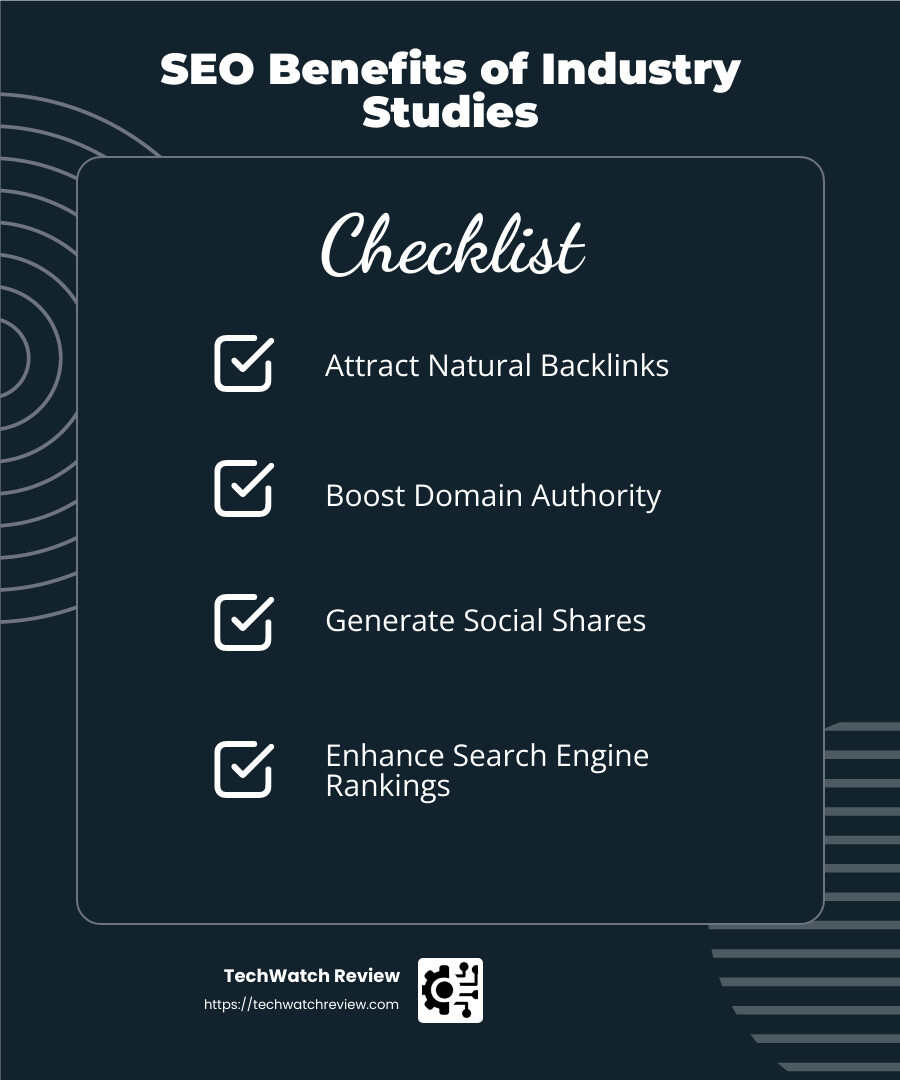
SEO Benefits
Industry studies are goldmines for SEO. They naturally attract backlinks, which are crucial for improving your search engine rankings. For example, a well-cited study can significantly boost your domain authority. Brian Dean from Backlinko emphasizes that freely available studies tend to generate more backlinks and social shares compared to gated content.
By incorporating these elements, you can create industry studies that not only inform your audience but also improve your brand’s visibility and authority. This is just the first step in a comprehensive B2B content marketing strategy. Next, we’ll explore the power of weekly newsletters.
2. Send Out Weekly Newsletters
Newsletters are a powerful tool in your B2B content marketing toolkit. They help with lead generation, branding, and email marketing. Let’s explore why you should send out weekly newsletters and how to make them effective.
Lead Generation
According to the Content Marketing Institute, 73% of B2B marketers use email newsletters for lead generation. Newsletters give visitors a reason to become leads. For example, Exploding Topics uses a weekly newsletter to convert site visitors into leads. The promise of valuable, consistent content makes people more likely to share their email.
Branding
A weekly newsletter keeps your brand in front of your audience. It’s a gentle reminder that you exist and offer value. Over time, this consistent exposure builds trust and familiarity. Many Exploding Topics customers mention that their decision to sign up was influenced by enjoying the newsletter.
Email Marketing
Email marketing is crucial for B2B companies. Newsletters help nurture leads and keep them engaged. Remember to provide value in every email. Share industry insights, tips, and updates that are relevant to your audience. According to HubSpot, B2B customers are driven by expertise and logic, so make sure your content reflects that.
Tips for Effective Newsletters:
- Consistency: Send your newsletter at the same time each week.
- Value: Ensure every email offers something useful.
- Personalization: Use the recipient’s name and tailor content to their interests.
By incorporating these elements, your newsletters can become a cornerstone of your B2B content marketing strategy. Next, let’s explore how to leverage LinkedIn for content marketing.
3. Test Out LinkedIn Content
LinkedIn is a goldmine for B2B content marketing. With a significant portion of B2B marketers increasing their use of LinkedIn, it’s clear that this platform is crucial for reaching a professional audience. Let’s explore how to make the most of LinkedIn’s organic reach, text-based posts, and video content.
Organic Reach
LinkedIn’s organic reach is impressive. Unlike other social media platforms where algorithms can limit your visibility, LinkedIn’s algorithm favors content that engages users. This means your posts have a better chance of being seen by a larger audience if they resonate with your target market.
Tips for Maximizing Organic Reach:
- Engage Early: The first hour after posting is critical. Respond to comments and engage with your audience quickly to boost visibility.
- Use Hashtags: Relevant hashtags can increase your content’s findability.
- Tag Influencers: Mentioning industry influencers can expand your reach as they may engage with your post.
Text-Based Posts
Text-based posts are powerful on LinkedIn. They are straightforward and easy to consume, making them perfect for busy professionals. According to LinkedIn, text-only updates can generate higher engagement rates than posts with links or images.
Effective Text-Based Post Strategies:
- Storytelling: Share personal anecdotes or case studies that highlight your expertise.
- Lists and Tips: People love quick, actionable insights. Share lists or tips that provide immediate value.
- Questions: Pose questions to your audience to encourage interaction and discussion.
Video Content
Video content is gaining traction on LinkedIn. With a significant number of B2B marketers planning to invest in video content, it’s a format you can’t ignore. Videos can humanize your brand and make complex topics easier to understand.
Creating Engaging Video Content:
- Keep it Short: Attention spans are short. Aim for videos under 2 minutes.
- Educational Content: Tutorials and how-to videos perform well. For instance, share Instagram marketing hacks that their audience finds valuable.
- Live Videos: LinkedIn Live allows you to engage with your audience in real-time. Use it for Q&A sessions or product launches.
By leveraging LinkedIn’s organic reach, crafting compelling text-based posts, and investing in video content, you can significantly improve your B2B content marketing strategy.
4. Create Complete Guides
Creating complete guides is a powerful strategy in B2B content marketing. These guides are long-form content pieces that cover a topic in-depth, providing comprehensive coverage. Let’s break down why they’re so effective and how you can leverage them.
Long-Form Content
Long-form content is detailed and exhaustive. Unlike short articles, these guides dig deep into a subject, offering valuable insights and actionable advice.
Benefits of Long-Form Content:
- In-Depth Information: Provides thorough insights, making it a go-to resource.
- Higher Engagement: Readers spend more time on your site, increasing engagement metrics.
- Authority Building: Positions your brand as an expert in the field.
SEO Benefits
Complete guides are excellent for SEO. Google favors long-form content because it tends to be more comprehensive and valuable.
SEO Advantages of Complete Guides:
- Keyword Coverage: Covers a broader range of keywords and phrases.
- Backlink Magnet: High-quality, in-depth content attracts backlinks from other sites.
- Improved Rankings: Longer content is more likely to rank higher on Google.
Comprehensive Coverage
A good complete guide leaves no stone unturned. It covers all aspects of a topic, ensuring that readers find everything they need in one place.
Elements of Comprehensive Coverage:
- Fundamentals: Start with the basics to build a strong foundation.
- Techniques and Strategies: Include practical advice and actionable tips.
- Examples and Case Studies: Use real-world examples to illustrate points.
- Terminology: Explain industry-specific jargon to make the content accessible.
By investing time and effort into creating complete guides, you can provide immense value to your audience, improve your SEO, and establish your brand as an industry authority.
5. Invest In B2B Video Content
Video content is making waves in B2B marketing. It’s engaging, easy to consume, and can convey complex information quickly. Let’s explore how you can leverage video tutorials, YouTube SEO, and repurposing content to boost your B2B marketing efforts.
Video Tutorials
Video tutorials are a fantastic way to educate your audience. They show step-by-step processes, making it easier for viewers to understand and implement your solutions. For instance, Sprout Social uses video tutorials to demonstrate how to use their social media management tools effectively.
Benefits of Video Tutorials:
- Visual Learning: Helps viewers grasp concepts faster.
- Engagement: Videos are more engaging than text, keeping viewers’ attention longer.
- Shareability: Easy to share on social media, increasing your reach.
YouTube SEO
YouTube is the second largest search engine, making it a crucial platform for B2B content. Optimizing your videos for YouTube SEO can help you reach a broader audience. Use keywords in your video titles, descriptions, and tags to improve visibility.
YouTube SEO Tips:
- Keyword Research: Use tools like StoryChief’s AI Keyword Generator to find relevant keywords.
- Engaging Thumbnails: Create eye-catching thumbnails to attract clicks.
- Detailed Descriptions: Include a detailed description with keywords and links to your website.
For example, Backlinko successfully uses YouTube SEO to drive traffic to their site. Their videos on SEO tips and tricks are optimized for search, bringing in thousands of views and potential leads.
Repurposing Content
Repurposing existing content into videos is a smart way to maximize your content’s value. If you have a well-performing blog post, turn it into a video. This not only saves time but also reaches different segments of your audience who prefer video over text.
How to Repurpose Content:
- Blog to Video: Convert popular blog posts into video tutorials or explainer videos.
- Webinars to Clips: Break down recorded webinars into shorter clips for social media.
- Podcasts to Videos: Turn podcast episodes into video interviews or highlight reels.
A great example is DesignFiles, which repurposes their long-form blog posts into video tutorials. This approach caters to their visually-oriented audience and keeps their content fresh and engaging.
By investing in B2B video content, you can create engaging tutorials, optimize for YouTube SEO, and repurpose existing content to reach a wider audience. Next, let’s explore how to promote your content with email.
6. Promote Your Content With Email
Email marketing remains one of the most effective ways to promote B2B content. It allows for targeted outreach, regular engagement through newsletters, and effective content promotion. Let’s explore how you can leverage email to boost your B2B marketing efforts.
Targeted Outreach
Targeted email outreach involves sending personalized emails to specific segments of your audience. This ensures that your message is relevant to the recipient, increasing the chances of engagement.
Benefits of Targeted Outreach:
- Personalization: Tailor your message to address specific needs and pain points.
- Higher Engagement: Personalized emails have higher open and click-through rates.
- Better ROI: Efficiently reach decision-makers who are more likely to convert.
For example, Drift uses targeted email outreach to connect with potential leads based on their behavior on the website. By sending personalized messages, they can nurture leads more effectively.
Email Newsletters
Regular email newsletters are a great way to keep your audience informed and engaged. They can include updates, industry news, new content, and special offers.
Benefits of Email Newsletters:
- Consistency: Stay top-of-mind with regular communication.
- Value: Provide valuable content that helps your audience solve problems.
- Traffic: Drive traffic to your blog, webinars, and other content.
A good example is DesignFiles, which sends out weekly newsletters filled with design tips, industry news, and links to their latest blog posts and video tutorials. This keeps their audience engaged and informed.
Content Promotion
Email is also a powerful tool for promoting your content. Whether it’s a new blog post, a whitepaper, or a webinar, you can use email to drive traffic and generate leads.
Effective Content Promotion Strategies:
- Teaser Emails: Send emails with a snippet of your latest content to entice readers to click through to your website.
- Follow-Up Emails: After someone downloads a resource or attends a webinar, send follow-up emails with additional related content.
- Special Offers: Promote exclusive content, like a free trial or a discount, to encourage engagement and conversions.
For instance, HubSpot effectively uses email to promote their blog posts, webinars, and eBooks. They segment their audience based on interests and behavior, ensuring that each email is relevant and engaging.
By promoting your content with email, you can achieve targeted outreach, keep your audience engaged with newsletters, and drive traffic and leads through effective content promotion. Next, let’s dive into how focusing on commercial and transactional intent keywords can improve your B2B content strategy.
7. Focus on Commercial and Transactional Intent Keywords
When it comes to B2B content marketing, focusing on commercial and transactional intent keywords can be a game-changer. These keywords attract users who are closer to making a purchase, thus driving high-value traffic to your site.
Keyword Research
Keyword research is the backbone of any successful content strategy. It helps you understand what your target audience is searching for and how you can meet their needs.
Steps to Effective Keyword Research:
- Identify Core Keywords: Start by listing the main topics relevant to your business.
- Use Tools: Use keyword research tools like Semrush or Ahrefs to find related keywords.
- Analyze Search Volume and Competition: Look for keywords with high search volume but low competition.
For example, using Semrush’s Organic Research tool, you can reverse engineer your competitor’s rankings and uncover high-value keywords they are targeting.
High-Value Terms
Not all keywords are created equal. High-value terms, particularly those with commercial or transactional intent, are crucial for converting traffic into leads and sales.
Types of High-Value Keywords:
- Commercial Intent: Keywords that indicate a user is considering a purchase. Examples include “best CRM software” or “top project management tools.”
- Transactional Intent: Keywords that show a user is ready to buy. Examples include “buy CRM software” or “project management tool pricing.”
People searching for these terms are often further along in the buyer’s journey, making them more likely to convert.
Competitor Analysis
Analyzing your competitors can provide valuable insights and help you identify keyword gaps.
Steps to Competitor Analysis:
- Identify Competitors: List your main competitors in the B2B space.
- Analyze Their Keywords: Use tools like Semrush to see which keywords your competitors rank for.
- Find Gaps: Look for high-value keywords your competitors target that you are missing.
For instance, Lucidchart excels at capturing a wide audience by focusing on both top-of-funnel keyphrases like “flowchart examples” and middle-of-funnel terms like “diagram software.” This strategy helps them reach users at different stages of the buyer’s journey.
By focusing on commercial and transactional intent keywords, you can attract more qualified leads and drive higher conversions. Next, let’s explore creative ways to find fresh topic ideas for your B2B content.
8. Find Fresh Topic Ideas
Finding fresh B2B content marketing ideas can be challenging, but it’s crucial for keeping your audience engaged and your content relevant. Here are some effective strategies:
Online Communities
Online communities are gold mines for finding what your audience cares about. Platforms like LinkedIn, Facebook groups, and specific Slack channels are where professionals discuss their challenges and seek advice.
How to Use Online Communities:
- Join Relevant Groups: Look for communities where your target audience hangs out.
- Monitor Discussions: Pay attention to the questions and topics that frequently come up.
- Participate Actively: Engage with members by providing valuable insights and asking follow-up questions.
For example, DesignFiles has a private Facebook community where interior designers discuss finding clients and getting designs approved. This helps them generate topic ideas directly from their audience’s needs.
Blog Comments
Blog comment sections are another untapped source of content ideas. Whether it’s your own blog or industry-leading blogs, comments often reveal gaps in existing content.
Steps to Leverage Blog Comments:
- Review Comments Regularly: Check the comments on your blog posts and those of your competitors.
- Identify Common Questions: Look for recurring themes or questions that haven’t been fully addressed.
- Create Content: Develop blog posts or articles that answer these questions in detail.
For instance, if multiple readers are asking about the ROI of B2B marketing tools, you can create a comprehensive guide on that topic.
Keyword Tools
Keyword research tools aren’t just for SEO—they’re also excellent for generating content ideas. Tools like Answer the Public, Quora, and Reddit can provide insights into what your audience is searching for.
How to Use Keyword Tools:
- Enter Core Keywords: Start with broad terms related to your industry.
- Analyze Questions and Topics: Look at the questions people are asking around those keywords.
- Identify Content Gaps: Find topics that have high search volume but low-quality content available.
According to a survey by Databox, 66% of marketers say keyword research is “very important” for generating new content ideas. This approach helps you create content that directly addresses your audience’s needs and gaps in the market.
By tapping into online communities, blog comments, and keyword tools, you can consistently find fresh and relevant topics for your B2B content marketing strategy. Next, let’s dive into how AI can assist in content creation and marketing automation.
9. AI-Assisted Content
AI is revolutionizing B2B content marketing by making it easier to create, manage, and optimize content. Leveraging tools like ChatGPT, marketing automation, and content scheduling can save time and improve the quality of your content.
ChatGPT
ChatGPT is a powerful AI tool that can generate content ideas, write drafts, and even create social media posts. This tool can help you brainstorm new topics, draft articles, and more.
How to Use ChatGPT:
- Brainstorm Ideas: Ask ChatGPT to generate a list of content ideas based on your target keywords.
- Draft Content: Use it to draft blog posts, social media updates, or email newsletters.
- Edit and Refine: Always review and refine the AI-generated content to ensure it aligns with your brand voice and is factually accurate.
For example, you can ask ChatGPT to write a blog post outline about the benefits of using AI in B2B marketing. It will provide a structured outline that you can then expand upon.
Marketing Automation
Marketing automation involves using software to automate repetitive tasks. This can include email marketing, social media posting, and even lead nurturing.
Benefits of Marketing Automation:
- Time-Saving: Automate repetitive tasks to free up time for more strategic activities.
- Consistency: Ensure that your marketing efforts are consistent across all channels.
- Personalization: Use data to create personalized content for your audience.
Tools like HubSpot and Marketo can help you automate various aspects of your marketing strategy, from email campaigns to social media posts.
Content Scheduling
Content scheduling tools allow you to plan and schedule your content in advance. This ensures that your content is published consistently and at the optimal times for your audience.
How to Use Content Scheduling:
- Plan Ahead: Create a content calendar to plan your posts weeks or even months in advance.
- Use Tools: Tools like Buffer and Hootsuite can help you schedule your social media posts.
- Monitor Performance: Track the performance of your scheduled content to see what works best.
For instance, you can use a tool like Buffer to schedule a month’s worth of LinkedIn posts, ensuring that your content is consistently reaching your audience.
Statistics and Trends
- Positive Impact: 81% of marketers using AI report a positive impact on their roles.
- Improved Quality: 85% acknowledge an improvement in content quality.
- Increased Speed: 84% observe a surge in content creation speed.
These statistics highlight the growing importance of AI in content marketing. By integrating AI tools like ChatGPT, marketing automation, and content scheduling into your strategy, you can streamline your processes and produce high-quality content more efficiently.
Next, let’s explore how hyper-targeted content can address specific customer pain points and improve engagement.
10. Hyper-Targeted Content
Creating hyper-targeted content is essential for engaging your B2B audience effectively. This approach focuses on addressing customer pain points, demographic targeting, and personalized content.
Customer Pain Points
Understanding and addressing customer pain points is crucial. What problems are your business targets facing? How can your B2B service solve these issues?
Example: If you’re a SaaS provider, your clients might struggle with data management. Create content that shows how your software simplifies data handling, saves time, and reduces errors.
Tip: Use case studies and testimonials to highlight real-world examples of how your solution has helped other businesses.
Demographic Targeting
Tailoring your content to specific demographics can significantly boost engagement. Consider factors like age, location, and industry when creating your content.
Age Range: Are your targets more likely to be on TikTok or LinkedIn? Adjust your content form, tone, and style accordingly. For instance, younger audiences might prefer short, engaging videos, while older professionals might appreciate in-depth articles.
Location: Are you targeting global businesses or local startups? If you’re focusing on local startups, you might create content inviting them to local events or workshops.
Industry: Different industries have unique needs. Customize your content to address these specific requirements. For example, a healthcare SaaS provider could create content around compliance and data security, which are critical in the healthcare industry.
Personalized Content
Personalization goes beyond just using a customer’s name in an email. It involves creating content that speaks directly to their needs, interests, and values.
Interests and Values: What are your targets interested in? What values do they hold? Analyze their interactions with previous content and create something that aligns with recent trends and their beliefs.
Example: Mindbody, a healthcare SaaS provider, created Mindbody One, a community page where business managers can share experiences and questions. This not only promotes their brand but also provides a valuable space for their target audience.
Tip: Use tools like HubSpot to gather data on your audience’s preferences and tailor your content accordingly.
Statistics and Trends
- High Engagement: Personalized emails deliver 6x higher transaction rates.
- Increased ROI: Targeted content marketing can generate up to 760% increase in revenue.
- Better Customer Understanding: 72% of consumers only engage with personalized messaging.
These statistics underscore the importance of hyper-targeted content in B2B marketing. By focusing on specific pain points, demographics, and personalized messaging, you can significantly improve engagement and conversion rates.
Next, let’s explore how building B2B brand communities can improve your content marketing strategy.
11. B2B Brand Communities
Building a B2B brand community can be a game-changer for your content marketing strategy. Let’s explore how user-generated content, community engagement, and first-party data can help you create a thriving community around your brand.
User-Generated Content
User-generated content (UGC) is content created by your customers rather than your brand. This can be in the form of reviews, testimonials, social media posts, or forum discussions.
Example: Sephora’s Beauty Insider Community has over 5 million users who create content about Sephora products. This UGC has significantly boosted their sales through word-of-mouth and authentic reviews.
Tip: Encourage your customers to share their experiences with your products. Use branded hashtags and feature their content on your official channels to build trust and authenticity.
Community Engagement
Engagement is the lifeblood of any community. The more your members interact, the more valuable your community becomes.
Example: Mindbody One is a community created by the healthcare SaaS provider Mindbody. It allows business managers to share their experiences, ask questions, and engage with each other in a professional setting.
Tip: Foster engagement by organizing events like webinars, Q&A sessions, and discussion forums. Make sure to actively participate and respond to queries to keep the conversation going.
First-Party Data
First-party data is information you collect directly from your audience. This data is incredibly valuable as it helps you understand your customers’ needs, preferences, and behaviors.
Example: By analyzing the interactions within their community, Mindbody can gather insights into what their users find most valuable. This helps them tailor their services and content to better meet their customers’ needs.
Tip: Use tools like HubSpot or Google Analytics to collect and analyze first-party data. This will help you create more targeted and relevant content.
Benefits of B2B Brand Communities
- Trust and Credibility: Communities built around user-generated content are often more trusted by new consumers.
- Product Adoption: Engaged communities can accelerate the adoption of new products and services.
- Customer Loyalty: Active communities foster a sense of belonging, increasing customer loyalty.
Statistics:
- Increased Trust: 92% of consumers trust recommendations from other people over branded content.
- Higher Engagement: Community members are 2x more likely to recommend your brand to others.
- Better Insights: Companies with engaged communities report a 25% increase in customer satisfaction.
Building a B2B brand community not only promotes your brand but also provides a valuable space for your target audience to connect, share, and learn.
Next, let’s explore the power of omnichannel video content in B2B marketing.
12. Omnichannel Video Content
Video content is a powerhouse in B2B marketing. To maximize its impact, adopt an omnichannel approach. This means sharing your videos across multiple platforms like TikTok, Instagram Reels, YouTube, and LinkedIn.
Cross-Platform Videos
Creating videos that can be shared on various platforms helps you reach a broader audience.
Example: When you create a video for TikTok, you can also post it as an Instagram Reel or a LinkedIn short. This way, you ensure your content is seen by different segments of your audience.
Tip: Use tools like Canva to resize and format your videos for different platforms effortlessly.
TikTok
TikTok isn’t just for B2C marketing. With over 2 billion users expected by the end of 2026, it’s a goldmine for B2B marketers too.
Example: Monday.com uses TikTok to share short, engaging videos about productivity and project management. These videos are fun yet informative, capturing the attention of young professionals.
Tip: Focus on creating short, engaging, and visually appealing videos. Use trends and hashtags to increase visibility.
Instagram Reels
Instagram Reels are perfect for short, impactful videos. They offer a great way to showcase your brand personality and expertise.
Example: Roots Marketing Agency excels at creating visually engaging Reels that mix industry insights, tips, and client testimonials.
Tip: Keep your Reels under 30 seconds and use catchy music or voiceovers to grab attention.
Benefits of Omnichannel Video Content
- Increased Reach: By sharing videos on multiple platforms, you can reach a wider audience.
- Consistent Branding: Consistent video content across channels helps in building a cohesive brand image.
- Better Engagement: Videos are more engaging than text or static images, leading to higher interaction rates.
Statistics:
- High Conversion Rates: 89% of B2B consumers say watching a video convinced them to make a purchase.
- Increased Engagement: Brands using omnichannel strategies retain 89% of their customers.
- Platform Popularity: 57% of young adults prefer TikTok’s short-form videos over traditional long-form ads.
By leveraging omnichannel video content, you can improve your B2B marketing strategy, making your brand more visible and engaging across various platforms.
Next, let’s dive into how TikTok can be a powerful B2B marketing channel.
13. Using TikTok as a B2B Marketing Channel
When you think of TikTok, you might picture dance challenges and viral memes. But TikTok is also a powerful B2B marketing channel. With over 2 billion users expected by the end of 2026, it’s a platform you can’t ignore.
Short-Form Videos
TikTok thrives on short-form videos. These are quick, engaging clips that can convey your message in under a minute. The key is to be creative and concise.
Example: Monday.com excels at this. They create humorous videos about common workplace issues like procrastination and remote work. These videos don’t directly sell their product but highlight how their platform can help solve these problems.
Tip: Focus on creating videos that are fun yet informative. Use trends and popular hashtags to boost visibility.
Gen Z Engagement
Gen Z is entering the workforce, and TikTok is their go-to platform. Engaging with this demographic can set your brand up for long-term success.
Fact: Gen Z and Millennials are the most frequent viewers on YouTube, with 82% and 78% respectively. This trend reflects their penchant for video content, which extends to TikTok as well.
Tip: Create content that resonates with younger professionals. Think about their pain points and how your product can make their work life easier or more enjoyable.
Monday.com Example
Monday.com is a great case study in using TikTok effectively for B2B marketing. They post videos that are relatable and entertaining, touching on themes like productivity and team collaboration.
Results: Their approach has paid off. Monday.com has gained over 25K followers on TikTok, showing that B2B brands can thrive on the platform.
Tip: Don’t be afraid to show a lighter, more human side of your brand. This can make your company more relatable and memorable.
Benefits of Using TikTok for B2B Marketing
- High Engagement: TikTok’s algorithm favors engaging content, making it easier to reach a large audience.
- Brand Awareness: Short, viral videos can significantly boost your brand’s visibility.
- Lead Generation: Creative videos can drive traffic to your website and convert viewers into leads.
Statistics:
- Increased Investment: 56% of marketers using TikTok plan to increase their investment in 2026.
- User Preferences: 78% of people use social media as their primary way to find information on brands, highlighting TikTok’s potential for findy.
By leveraging TikTok for B2B marketing, you can tap into a vast audience and create engaging content that resonates with younger professionals.
Next, let’s explore the potential of repurposed content in your B2B marketing strategy.
14. Repurposed Content
Repurposing content is a smart way to maximize the value of your existing work. It allows you to reach different audiences across various platforms without the need to create new content from scratch. Let’s dive into some effective strategies.
Content Snippets
Content snippets are short, impactful pieces of information extracted from longer content. These can be quotes, statistics, or key takeaways.
Example: If you have a comprehensive blog post, you can pull out a powerful quote and share it on LinkedIn. This not only drives engagement but also directs traffic back to your original post.
Tip: Use tools like StoryChief to identify and create valuable snippets from your content.
Social Media Posts
Changing your content into social media posts is a great way to keep your channels active and engaging. This can include text posts, images, or even short videos.
Example: Take a recent blog post and create a series of LinkedIn posts. Each post can focus on a different section or key point from the blog.
Case Study: Monday.com excels at repurposing their blog content into engaging social media posts. They share snippets, infographics, and short videos on platforms like LinkedIn and TikTok.
Tip: Aim to repurpose each piece of content in at least three different ways. This could be a blog post, a LinkedIn article, and a short video.
Blog Post Repurposing
Repurposing blog posts involves adapting them into different formats to reach a wider audience. This can include turning blog content into videos, infographics, or even podcasts.
Example: Bonjoro effectively repurposes their blog content into multiple formats, like helpdesk articles, YouTube videos, and master class lessons. This multi-format strategy ensures they cater to different audience preferences.
Tip: Use platforms like SlideShare to convert blog posts into slide presentations. This can be particularly effective for sharing concise, visual content.
Benefits of Repurposed Content
- Increased Reach: By using different formats, you can reach a broader audience.
- SEO Boost: Repurposing content into various formats can improve your search engine rankings.
- Time Efficiency: It saves time and resources compared to creating new content from scratch.
Statistics:
- High Engagement: According to Semrush, 45% of marketers agree that videos are the top-performing content format.
- Content Longevity: Repurposed content can extend the life of your original work, making it relevant for longer periods.
Tip: Regularly audit your existing content to identify opportunities for repurposing. Look for high-performing blog posts and consider how they can be adapted into different formats.
By incorporating repurposed content into your B2B content marketing strategy, you can maximize the value of your existing efforts and reach a wider audience.
Next, let’s dive into the potential of B2B podcasts.
15. B2B Podcasts
B2B Podcasts are a powerful tool for engaging your audience and establishing thought leadership. They provide a platform to share in-depth knowledge and build a loyal listener base.
Educational Content
Podcasts are perfect for delivering educational content in an engaging format. They allow you to dive deep into topics that matter to your audience. For example, you can create episodes that focus on industry trends, best practices, or step-by-step guides.
Case Study: Cognism has leveraged podcasts to educate their audience on topics like sales strategies and lead generation. Their podcast series features interviews with industry experts, providing valuable insights and actionable tips.
Tip: Use your podcast to answer common questions from your audience. This not only positions you as an expert but also provides immediate value to your listeners.
Thought Leadership
Establishing thought leadership is crucial in the B2B space. Podcasts give you the opportunity to share your unique perspective and insights, helping to build your brand’s authority.
Example: The Social Creatures podcast by Sprout Social explores the success of various social media accounts through conversations with their managers. This format helps position Sprout Social as a leader in social media strategy.
Tip: Invite industry leaders and influencers to join your podcast. Their insights can add credibility and attract a broader audience.
Cognism Example
Cognism’s podcast is a great example of how to effectively use this medium for B2B content marketing. They focus on topics that are highly relevant to their audience, such as cold calling techniques and sales enablement.
Quote: “Our podcast has become a key part of our content strategy, helping us to connect with our audience on a deeper level,” says James Isilay, CEO of Cognism.
Tip: Promote your podcast episodes across various channels, including your website, social media, and email newsletters, to maximize reach and engagement.
Benefits of B2B Podcasts:
- Engagement: Podcasts offer a personal touch, creating a stronger connection with your audience.
- Flexibility: Listeners can tune in while commuting, working out, or during other activities.
- Brand Loyalty: Regular episodes can build a loyal listener base that looks forward to your content.
Statistics: According to Statista, 70 million people listened to podcasts in 2023, highlighting the medium’s growing popularity.
Tip: Consistency is key. Aim to release episodes on a regular schedule to keep your audience engaged and coming back for more.
By incorporating podcasts into your B2B content marketing strategy, you can provide valuable educational content, establish thought leadership, and build a dedicated audience. Next, let’s explore some frequently asked questions about B2B content marketing ideas.
Frequently Asked Questions about B2B Content Marketing Ideas
What is the best content for B2B marketing?
Industry studies, newsletters, and LinkedIn content are among the top choices for B2B marketing.
Industry studies provide valuable data and insights, helping establish your brand as an authority. For example, TechWatch Review regularly publishes data reports that help their audience understand industry trends.
Newsletters are excellent for maintaining regular contact with your audience. They can include updates, tips, and exclusive content that keeps your brand top of mind.
LinkedIn content is crucial due to its professional user base. Sharing thought leadership posts, engaging articles, and video content on LinkedIn can significantly boost your reach and credibility.
How do you create content for B2B marketing?
Creating effective B2B content involves understanding your audience needs, conducting competitor research, and mapping out the customer journey.
-
Audience needs: Identify what your audience is searching for and what problems they need to solve. Tools like surveys and social media listening can provide insights.
-
Competitor research: Analyze what your competitors are doing well and identify gaps you can fill. For instance, TechWatch Review targets both top-of-funnel and middle-of-funnel keywords to capture a wide audience.
-
Customer journey: Tailor your content to different stages of the customer journey. Use blog posts for awareness, white papers for consideration, and case studies for decision-making.
What are the 4 types of B2B marketing?
B2B marketing can be categorized into four main types:
-
Producers: These are businesses that create products or services. Marketing efforts focus on showcasing the product’s benefits and ROI. For example, a software company might highlight how its tool can streamline operations.
-
Resellers: These businesses buy products to resell them. Marketing here often involves demonstrating how the product can be marketed to end consumers effectively.
-
Governments: Marketing to government entities involves understanding procurement processes and emphasizing compliance and efficiency.
-
Institutions: These include schools, hospitals, and non-profits. Marketing strategies should focus on how your product or service can meet their specific needs, such as improving patient care or enhancing educational outcomes.
By understanding these categories, you can tailor your B2B content marketing strategies to meet the unique needs of each segment.
In summary, B2B content marketing is a powerful tool for driving traffic, generating leads, and boosting sales. From publishing industry studies to creating hyper-targeted content, there are numerous strategies you can employ to stand out in a crowded market.
Innovative content is more important than ever. With the rise of AI, VR, and hyper-targeted content, staying ahead of the curve can set your brand apart. For instance, using AI tools like ChatGPT can streamline content creation and provide personalized experiences for your audience. Similarly, VR and AR can make your product demonstrations more engaging and interactive.
We at TechWatch Review are committed to helping you steer these trends and implement effective B2B content marketing strategies. Whether you’re looking to create compelling newsletters, leverage LinkedIn, or explore the potential of video content, our Marketing resources are here to guide you.
The key to successful B2B content marketing is to continually adapt and innovate. By understanding your audience, leveraging data, and staying current with industry trends, you can create content that not only informs but also inspires and converts.


