Table of Contents
Learning management systems (LMS) have become indispensable tools in today’s educational and corporate landscapes, offering a unified platform to facilitate and manage learning processes. Whether you’re a tech-savvy professional seeking to streamline employee training or an educator aiming to improve student engagement and performance, understanding the core functionalities of an LMS can significantly impact your decision-making.
Here’s a quick look at why a learning management system is crucial:
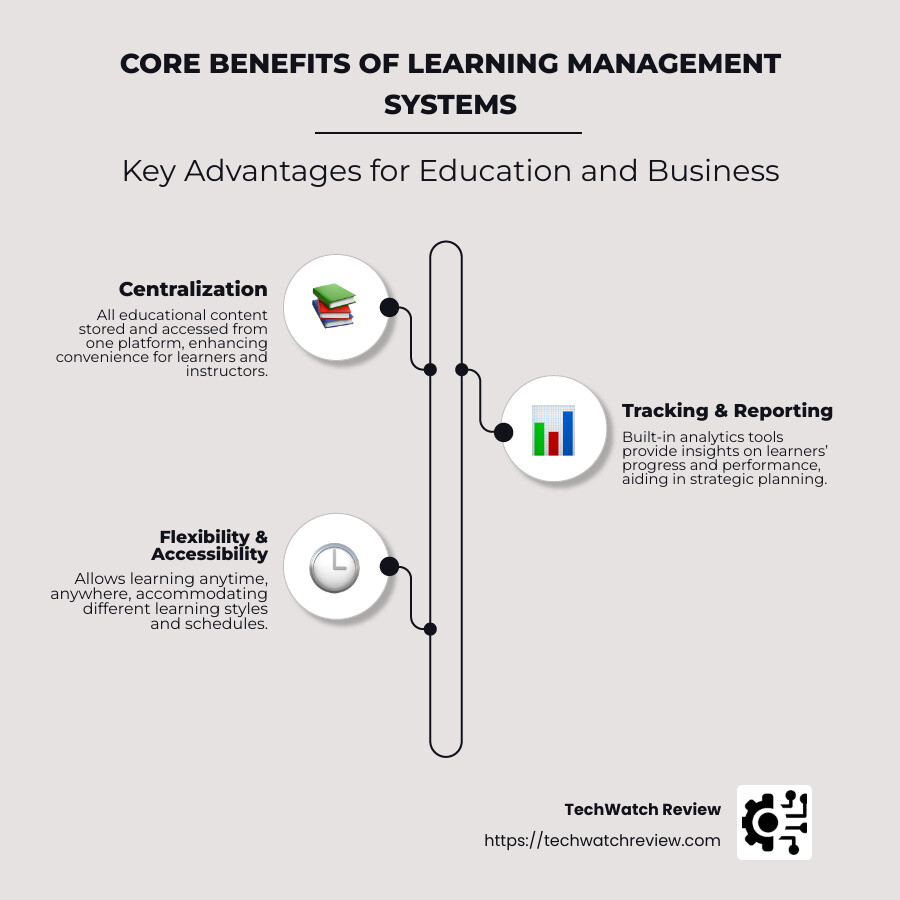
- Centralization of Learning Resources: An LMS provides a single platform where all educational content is stored and accessed, making it convenient for learners and instructors alike. For more insights, check out our article on University virtual classroom.
- Improved Tracking and Reporting: Built-in analytics tools help monitor learners’ progress and performance, offering insights that can inform educational strategies. Learn more about this in our College classroom management article.
- Flexibility and Accessibility: With an LMS, learning can happen anytime, anywhere, accommodating different learning styles and schedules. Explore how this impacts Student information systems.
- Customization and Personalization: These systems allow for custom learning experiences that adapt to the needs of individual users or institutions, enhancing the learning journey.
In educational settings, LMSs support both remote and in-class learning environments, indispensable for K-12 schools, universities, and professional training programs. For businesses, they drive employee development, ensuring staff are continuously upskilled and aligned with organizational goals. As organizations increasingly prioritize accessibility and efficiency, understanding and investing in the right LMS can transform how learning occurs, making it more impactful and streamlined.

A Learning Management System (LMS) is a software application that serves as a hub for managing, delivering, and tracking educational courses or training programs. It’s like a virtual classroom that can be accessed anytime, anywhere, providing flexibility and convenience for both learners and educators. For more insights on how LMS can transform educational experiences, you can explore this article on TechWatch Review.
Functionality
An LMS is designed to streamline the learning process by offering a suite of functionalities:
- Course Management: Easily create, organize, and manage courses. This includes uploading materials, setting up modules, and scheduling classes. For a deeper dive into course management features, check out this resource.
- User Management: Administrators can manage user roles, enrollments, and access permissions.
- Tracking and Reporting: Monitor learner progress through detailed analytics and reports. This helps in identifying learning patterns and areas for improvement. Learn more about tracking and reporting in this article.
- Communication Tools: Facilitate interaction between learners and instructors through forums, chats, and emails.
Components
A typical LMS consists of several key components:
- Content Management: Allows for the creation and storage of course materials, including text, video, and interactive content.
- Assessment Tools: Enable quizzes, tests, and assignments to evaluate learner understanding and progress.
- Interactive Features: Discussion forums, live chats, and virtual classrooms to foster collaboration and engagement.
- Integration Capabilities: Connect with other systems like HR databases or e-commerce platforms for seamless functionality. For more on integration capabilities, visit this page.
SCORM and xAPI
Two important standards that ensure the interoperability of eLearning content across different systems are SCORM (Sharable Content Object Reference Model) and xAPI (Experience API).
-
SCORM: This set of standards allows eLearning content to be shared across different LMS platforms. It ensures that content is accessible, reusable, and can track learner interactions within a course. For a comprehensive guide on SCORM, see this article.
-
xAPI: Also known as Tin Can API, xAPI goes beyond SCORM by allowing tracking of a wider range of learning experiences. It supports mobile learning and offline learning activities, providing more detailed data on learner interactions. Discover more about xAPI in this detailed overview.
By understanding these fundamental aspects, institutions can better evaluate and choose an LMS that aligns with their educational or training objectives. Selecting the right LMS can transform learning experiences, making them more efficient, engaging, and effective.
Types of Learning Management Systems
When exploring Learning Management Systems, it’s important to understand the different types available. Each type comes with its own set of benefits and considerations, making it crucial to choose one that aligns with your institution’s needs.
Cloud-Based LMS
Cloud-based LMS platforms are hosted on the internet and can be accessed from anywhere, at any time. This type of LMS is especially popular because it requires no installation or hardware maintenance. Providers like MoodleCloud and Brightspace Cloud offer cloud solutions that are scalable and cost-effective. They are ideal for institutions that want to minimize IT overhead and provide learners with easy access to courses.
SaaS LMS
Software as a Service (SaaS) LMS is a subscription-based model where the software is licensed on a monthly or yearly basis. This model often includes regular updates and customer support. SaaS LMS platforms like TalentLMS are favored by small to medium-sized businesses for their affordability and ease of use. The pay-as-you-go model allows institutions to scale their usage according to their needs.
Self-Hosted LMS
A self-hosted LMS requires the institution to install and maintain the software on its own servers. This option offers greater control over data and customization. However, it also demands more technical expertise and resources for maintenance. An example is Moodle, which is open-source and highly customizable, making it a popular choice for institutions with specific needs and the technical capacity to manage it.
Private Cloud LMS
A private cloud LMS combines elements of both cloud-based and self-hosted systems. It offers the flexibility and scalability of the cloud while maintaining a higher level of control over data security and privacy. This is particularly appealing to organizations with strict compliance requirements or sensitive data. Private cloud solutions can be custom to meet specific organizational needs, offering a balance between control and convenience.
Desktop Application
Desktop applications are LMS platforms installed directly on a computer. While traditionally less common due to their lack of flexibility, some desktop applications offer robust offline capabilities. This can be beneficial in environments with limited internet access. Additionally, some desktop LMSs are designed to sync with cloud services, providing a hybrid approach that allows for both offline and online learning experiences.
Mobile Application
Mobile applications for LMS platforms are becoming increasingly essential. They allow learners to access courses and materials on-the-go via their smartphones or tablets. This flexibility is crucial for modern learners who value convenience and accessibility. Mobile apps often include features like push notifications and offline access, enhancing the learning experience.
By understanding these different types, institutions can select an LMS that best suits their infrastructure, budget, and educational goals. Each type has unique advantages that can improve the learning experience for both educators and students.
Top 10 Learning Management Systems of 2026
When it comes to selecting a Learning Management System (LMS), understanding the leading options can guide you in making an informed decision. Here’s a rundown of the top 10 LMS platforms of 2026, highlighting their ease of use, features, and pricing.
CYPHER Learning
Ease of Use: CYPHER Learning is known for its intuitive interface, making it accessible for users of all skill levels.
Features: It offers a robust set of tools, including gamification, automation, and personalized learning paths.
Pricing: Offers flexible pricing custom to different organization sizes, making it a versatile choice for many institutions.
Learn more about CYPHER Learning
TalentLMS
Ideal for Small Businesses: TalentLMS is designed for small to medium-sized businesses, providing a straightforward and affordable solution.
Features: Includes course authoring, assessments, and integrations with popular business tools.
Pricing: Starts with a free plan, with paid plans scaling up based on the number of users and features required.
Absorb LMS
Best for Enterprise Businesses: Absorb LMS stands out with its enterprise-level features, such as extensive analytics and reporting.
Features: Offers a smart approach to filters and standout mobile support with apps for Android and iOS.
Pricing: Custom for midsize to large businesses, with specific plans for internal and external training needs.
iSpring Learn
Quick Support: iSpring Learn is praised for its responsive customer support, ensuring smooth implementation and troubleshooting.
Features: Includes interactive content creation tools and detailed analytics.
Pricing: Offers competitive pricing with a focus on providing value for money, especially for smaller teams.
Docebo
Designed for Corporations: Docebo shines in corporate settings, offering scalable solutions for large organizations.
Features: Highlights include AI-powered learning paths and social learning capabilities.
Pricing: Flexible pricing plans that cater to the specific needs of corporate clients, with a focus on scalability.
D2L Brightspace LMS
For Educators: D2L Brightspace is custom for educational institutions, featuring tools that support competency-based education.
Features: Offers impressive analytics and automated early-intervention tools.
Pricing: Pricing is customized based on the institution’s size and specific requirements.
Blackboard Learn LMS
Higher Education Focus: Blackboard Learn has a large ecosystem of educational tools, making it a staple in higher education.
Features: Known for its video conferencing capabilities and accessibility features.
Pricing: Offers scalable pricing plans that accommodate the diverse needs of universities and colleges.
Canvas LMS
Preferred by Ivy League Schools: Canvas is recognized for its user-friendly interface and extensive third-party integrations.
Features: Includes sophisticated course assembly tools and a robust open API.
Pricing: Pricing varies, with a focus on providing comprehensive solutions for large educational institutions.
Moodle LMS
Open-Source Flexibility: Moodle is a free, open-source LMS that offers unparalleled customization.
Features: Supports a wide range of activities and has generous progress tracking options.
Pricing: While the software itself is free, costs may arise from hosting and additional support services.
MATRIX LMS
Features and Pricing: MATRIX LMS offers a comprehensive suite of features custom for educational institutions and businesses.
Features: Includes e-commerce capabilities, mobile learning, and personalized learning paths.
Pricing: Offers competitive pricing plans that are adaptable to the needs of different organizations.
Choosing the right LMS depends on your institution’s specific needs, such as the size of your organization, the features you require, and your budget. Each of these platforms has unique strengths that cater to different educational and business environments. For more insights into these LMS options, visit TechWatch Review.
Key Features to Look for in an LMS
When selecting a Learning Management System (LMS), it’s crucial to consider features that align with your institution’s needs. Here’s a look at the key features to prioritize:
Content Creation and Management
An effective LMS should simplify the process of creating, managing, and distributing content. Look for systems that support a variety of content formats, such as text, video, and audio. This flexibility ensures that educators and trainers can deliver engaging materials that cater to different learning styles. Platforms like CYPHER Learning excel in offering robust content creation tools, enabling educators to design courses that are both informative and interactive.
Interactive Learning Tools
To boost engagement, an LMS should include interactive tools like quizzes, surveys, and discussion forums. These features not only make learning more engaging but also provide opportunities for learners to test their knowledge and interact with peers. For instance, TalentLMS integrates these tools seamlessly, making it a favorite for small businesses looking to improve their training programs.
Assessment and Reporting
A comprehensive LMS should offer tools for conducting assessments and generating detailed reports. These features help instructors track learner progress and identify areas that may need improvement. With platforms like Absorb LMS, institutions can access extensive analytics and reporting capabilities, ensuring that both learners and educators have the insights needed for success.
Mobile Learning
Given the increasing use of mobile devices, it’s essential for an LMS to provide a mobile-compatible interface. This allows learners to access materials anytime, anywhere. Systems like MATRIX LMS are designed with mobile learning in mind, offering responsive designs that adapt to any device, ensuring a seamless learning experience.
Personalized Learning Paths
Personalized learning paths allow learners to progress at their own pace, catering to their unique needs and skills. This feature is particularly beneficial in environments where learners have varying levels of expertise. Docebo is renowned for its AI-powered personalized learning paths, which tailor content based on individual learner profiles, enhancing the overall learning experience.
E-commerce Capabilities
For institutions looking to monetize their courses, e-commerce capabilities are a must. An LMS should enable the sale of courses online, integrating with payment gateways and providing a smooth purchasing process. Moodle LMS, with its open-source flexibility, supports various e-commerce integrations, making it a popular choice for institutions aiming to expand their reach through online course sales.
Selecting the right LMS involves evaluating these features in the context of your institution’s goals and resources. By focusing on these key aspects, you can ensure that your chosen LMS will support effective and engaging learning experiences.
Benefits of Using a Learning Management System
Implementing a Learning Management System (LMS) can transform how institutions deliver education and training. Here are some key benefits to consider:
Improved Engagement
An LMS improves learner engagement by offering interactive tools such as quizzes, discussion forums, and gamification features. These tools make learning more dynamic and enjoyable. For instance, systems like TalentLMS are designed to keep learners motivated through competitive elements like leaderboards and badges. By fostering a more interactive learning environment, learners are more likely to participate and retain information.
Convenience
Learning Management Systems provide unparalleled convenience for both learners and educators. They allow access to learning materials anytime and anywhere, which is particularly valuable in today’s world. Platforms like MATRIX LMS offer mobile compatibility, ensuring that learners can study on the go using their smartphones or tablets. This flexibility supports different learning styles and schedules, making education more accessible.
Cost Savings
Institutions can realize significant cost savings by adopting an LMS. Traditional training methods often involve expenses such as travel, printed materials, and venue rentals. With an LMS, these costs are reduced or eliminated. Online content delivery and automated administrative tasks streamline operations.
Compliance
For organizations that require compliance training, an LMS is indispensable. It ensures that all learners have access to the most up-to-date compliance materials and tracks their progress. This is crucial in industries like healthcare and finance, where regulations frequently change. An LMS like Docebo offers robust reporting features that help institutions stay compliant by monitoring learner progress and completion rates.
Scalability
As institutions grow, their training needs evolve. An LMS provides the scalability to accommodate an increasing number of learners without sacrificing performance. Whether you’re expanding your course offerings or onboarding new employees, systems like Moodle LMS can handle large volumes of data and users. This scalability ensures that your learning platform can grow alongside your organization.
By leveraging these benefits, institutions can improve their educational offerings, streamline operations, and improve learner satisfaction.
How to Choose the Right LMS for Your Institution
Choosing the right Learning Management System (LMS) is crucial for meeting your institution’s educational and training goals. Here’s a step-by-step guide to help you make an informed decision:
Needs Assessment
Start by identifying your institution’s specific needs. Consider the type of courses you offer, the number of learners, and the training objectives. For instance, if your focus is on compliance training, you’ll want an LMS with strong reporting features like Docebo. Conducting a thorough needs assessment will help you pinpoint the features that are essential for your institution. For more insights on needs assessment, check out this article on TechWatch Review.
Budget
Budget is a significant factor when selecting an LMS. Costs can vary based on features, number of users, and deployment type. Cloud-based solutions like TalentLMS typically offer a lower upfront cost compared to self-hosted options. However, remember to consider long-term expenses, such as subscription fees and potential customization costs. Many providers offer tiered pricing plans, so compare these options to find the best fit for your budget. For a detailed comparison of LMS pricing, visit TechWatch Review’s pricing guide.
Scalability
As your institution grows, so will your LMS requirements. Choose a platform that can scale with your needs. Systems like Moodle LMS are designed to handle a large number of users and courses, making them ideal for growing institutions. Ensure that the LMS can accommodate future expansion without compromising performance. Learn more about scalable LMS options in this TechWatch Review article.
Integrations
Ensure the LMS you choose can integrate seamlessly with your existing systems, such as HR databases or school management software. This integration allows for streamlined information sharing and improved functionality. Platforms like iSpring Learn offer robust integration capabilities, making it easier to connect with other tools you already use. For a comprehensive list of LMS integrations, see TechWatch Review’s integration overview.
Support
Reliable customer support is essential for smooth LMS operation. Look for vendors that offer comprehensive support services, including 24/7 assistance, online tutorials, and community forums. For instance, Absorb LMS is known for its excellent customer support, which can be crucial if issues arise outside of regular business hours. For tips on evaluating LMS support, refer to this TechWatch Review article.
Ease of Use
The LMS should be user-friendly for both administrators and learners. A simple and intuitive interface reduces the learning curve and increases user satisfaction. Systems like CYPHER Learning are praised for their ease of use, making them suitable for institutions with diverse user bases. For more on user-friendly LMS features, check out TechWatch Review’s guide.
By considering these factors, you can select an LMS that aligns with your institution’s goals and improves the learning experience. Up next, we’ll address some frequently asked questions about Learning Management Systems to further support your decision-making process.
Frequently Asked Questions about Learning Management Systems
What is an example of a learning management system?
There are many Learning Management Systems (LMS) available today, each catering to different needs and preferences. Here are some popular examples:
-
Moodle: Known for its open-source nature, Moodle is a flexible option that allows institutions to customize their learning environment. It is widely used in educational settings and offers a community-driven approach to e-learning. Learn more about Moodle.
-
Blackboard Learn: Often used in higher education, Blackboard Learn provides a comprehensive suite of tools for course management, collaboration, and assessment. Its extensive ecosystem makes it a go-to choice for universities. Explore Blackboard Learn.
-
Schoology Learning: This LMS combines the features of a social network with robust educational tools, making it ideal for K-12 environments. It supports seamless integration with other educational technologies. Discover Schoology Learning.
-
Adobe Learning Manager: Formerly known as Adobe Captivate Prime, this LMS is designed for businesses looking to deliver engaging learning experiences. It offers features like content curation and AI-powered recommendations. Visit Adobe Learning Manager.
-
Docebo Learn LMS: A popular choice for corporate training, Docebo provides scalable solutions with strong reporting and analytics capabilities. It’s suitable for organizations of all sizes. Check out Docebo Learn LMS.
-
eFront: Custom for enterprises, eFront offers a secure and customizable platform that supports compliance training and skill development. Learn about eFront.
-
iSpring Learn: Known for its quick support and ease of use, iSpring Learn is favored by small to medium-sized businesses. It integrates well with other tools, enhancing its functionality. Explore iSpring Learn.
-
TalentLMS: Ideal for small businesses, TalentLMS is a cloud-based solution that offers affordability and simplicity. It supports a wide range of integrations, making it a versatile choice. Discover TalentLMS.
What is the most commonly used LMS?
Blackboard is one of the most commonly used LMS platforms in higher education. Its extensive features and adaptability make it a favorite among universities and colleges worldwide. Blackboard’s ability to integrate with various educational tools improves its appeal to institutions aiming to provide comprehensive learning experiences.
In the field of business training, Docebo Learn LMS is widely recognized for its robust capabilities. It supports a wide range of industries with features custom for corporate learning and development.
What are the three major types of learning management systems?
When considering an LMS, understand the different types available:
-
Cloud-based LMS: These systems are hosted on the vendor’s servers and accessed via the internet. They offer flexibility and scalability, making them suitable for organizations that prefer a hassle-free setup. Examples include TalentLMS and Docebo.
-
SaaS (Software as a Service): Similar to cloud-based systems, SaaS LMS platforms provide software that is maintained and updated by the vendor. This model is cost-effective and ensures users always have access to the latest features.
-
Self-hosted LMS: Institutions using this type of LMS host the software on their own servers. This option offers greater control and customization but requires more technical expertise to manage. Moodle is a popular self-hosted choice due to its open-source nature.
-
Private Cloud: A hybrid between cloud-based and self-hosted systems, a private cloud LMS offers the benefits of cloud technology with improved security and control. It’s ideal for organizations with strict data privacy requirements.
By understanding these types, institutions can choose the LMS that best fits their needs, ensuring a seamless learning experience for all users.
Conclusion
Choosing the right Learning Management System (LMS) can significantly improve the educational experience for both institutions and learners. With numerous options available, selecting the best LMS requires careful consideration of your institution’s specific needs, budget, and long-term goals.
At TechWatch Review, we are committed to providing expert insights and comprehensive reviews to help you navigate the complex landscape of LMS platforms. Our goal is to empower educational institutions and businesses to make informed decisions that align with their unique requirements.
When evaluating an LMS, it’s crucial to focus on key features such as content creation, interactive tools, and mobile learning capabilities. Additionally, consider the scalability and integration options of the platform to ensure it can grow with your institution. Support services and ease of use are also vital factors that can influence the success of LMS implementation.
For those seeking further guidance, we recommend exploring our TechWatch Review articles on software solutions. Our resources are designed to assist you in every step of the decision-making process, from understanding LMS types to comparing top platforms like Blackboard Learn, Moodle, and TalentLMS.
In conclusion, the right LMS can transform the way educational content is delivered and experienced. By leveraging our expertise and the insights provided in this article, you can confidently choose an LMS that will support your institution’s educational objectives and foster a more engaging and effective learning environment.