Artificial Intelligence (AI) is significantly transforming smart home devices. AI is a field of computer science that includes machine learning, allowing systems to learn and improve from experience. AI-equipped devices, like smart speakers and home security systems, are getting smarter and more efficient. This article explores how AI is altering the landscape of smart home devices and creating a more integrated, efficient experience for users.
Table of Contents
AI and Smart Home Devices: An Overview
Artificial Intelligence is a powerful technology that allows machines to mimic human cognitive functions. In the context of smart home devices, AI allows these devices to learn from patterns, respond to voice commands, and make decisions based on data analysis.
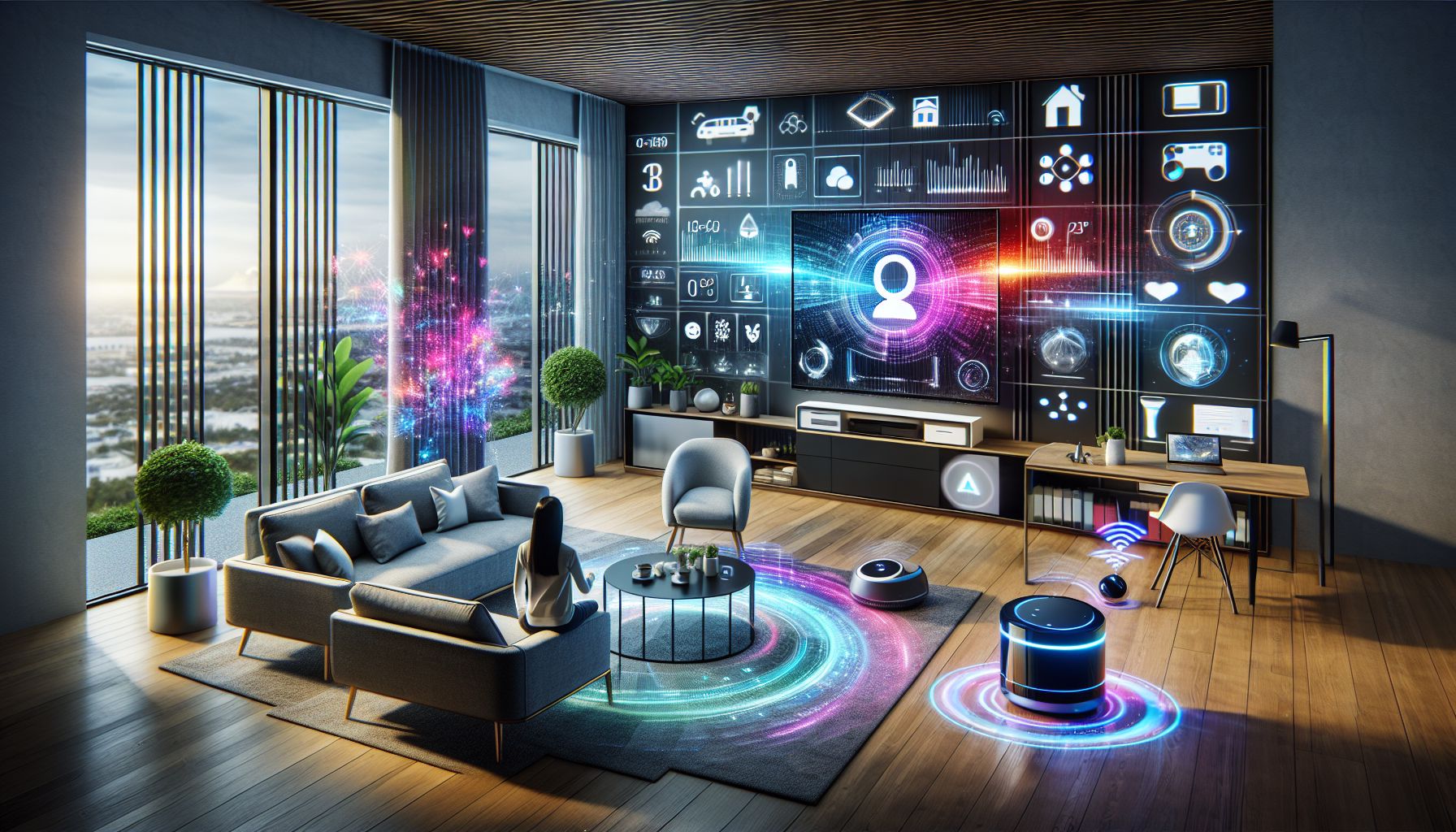

For example, let’s consider a smart thermostat. This device uses AI to learn your daily habits and preferences. It then adjusts the temperature in your home – not due to a pre-set schedule, but determined by your routine. This way, it saves energy and creates a comfortable environment for the user without the user needing to interact with it constantly.

The Impact of AI on Smart Home Security Systems
One area seeing significant transformations due to AI is home security systems. Normal CCTV cameras record everything but don’t interpret what they see. Contrary to that, smart AI-enabled cameras can identify unusual activity and send alerts to homeowners.
An example is the smart doorbell. AI enables it to recognize familiar faces and regular visitors, reducing false alerts in the process. According to this article on TechCrunch, AI-enabled security cameras can also differentiate between a car, a pet, and a human, further refining the system’s alert selectiveness. Similar improvements are seen in AI-based security systems inside the home, like alarms and motion sensors.
AI Integration in Smart Speakers and Assistants
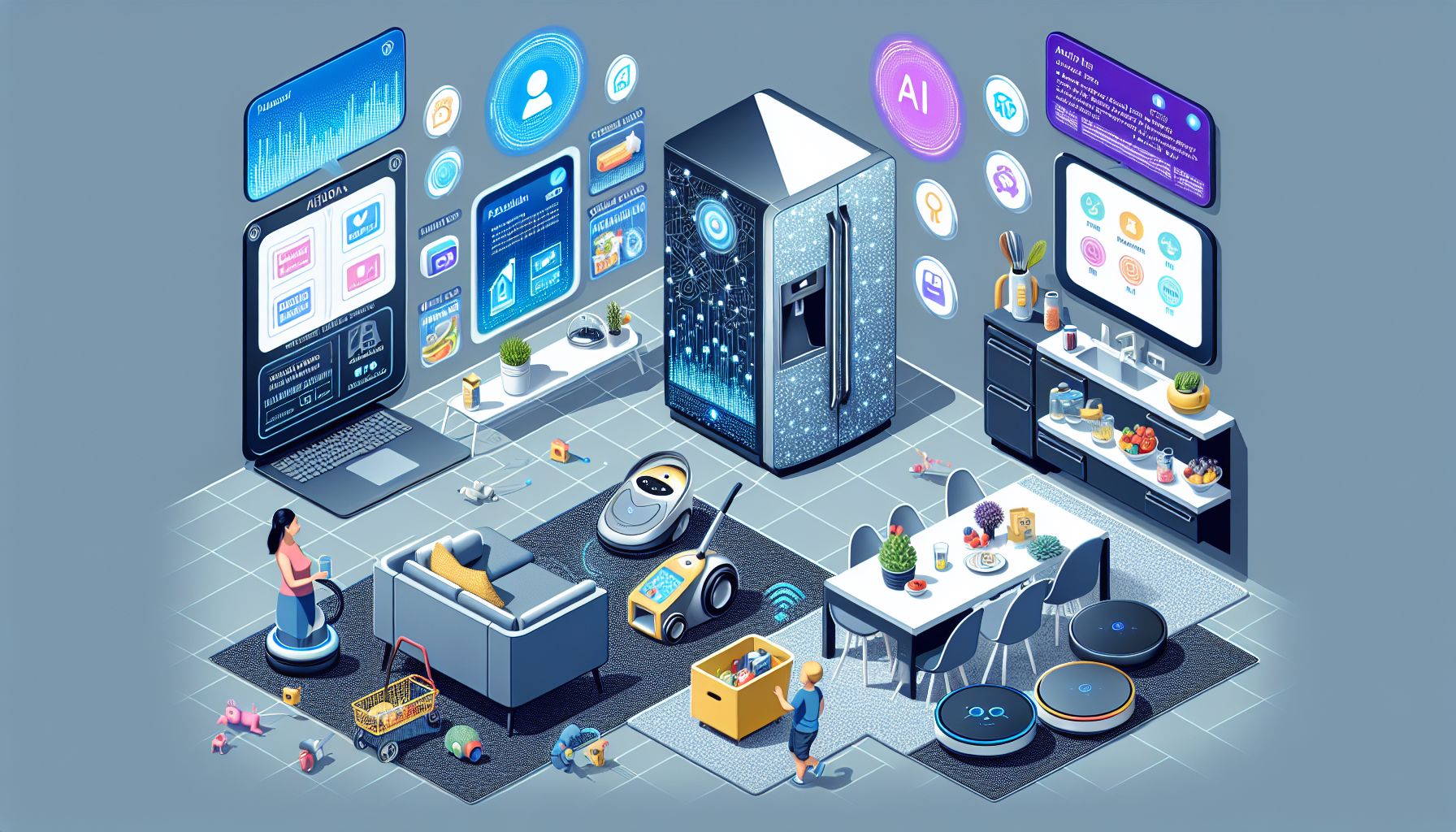
Another area where AI shines is in the operation of smart speakers and assistants. Companies like Amazon, Google, and Apple use AI to make their smart speakers understand complex commands, recognize different voice types, and even discern emotions in speech tonality. The AI’s ability to analyze data and learn from it makes smart assistants more accurate over time and leads to an overall better user experience.
For example, most smart speakers can now control multiple devices in a smart home and execute complex commands through AI integration. They can dim the lights, adjust the thermostat, and play your favorite songs on your command.
The Future of Smart Home Devices with AI
The Bottom Line
From the examples given, it is clear that AI has a significant impact on the functionality of smart home devices. However, this is just the beginning. As AI continues to advance, we can expect to see smarter and more intuitive devices.
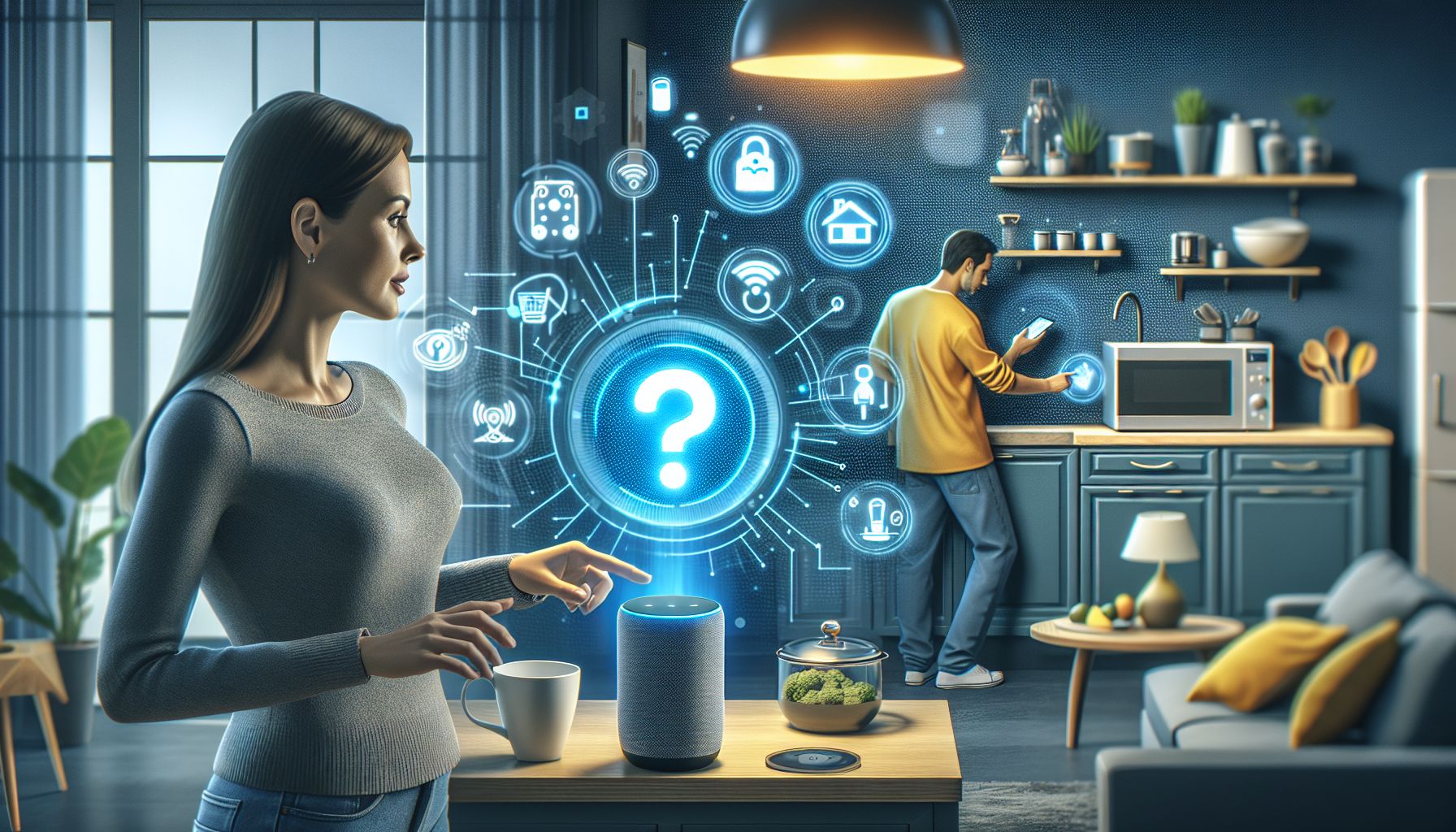
A significant area of expected growth is in predictive home automation. This technology could allow smart devices to operate on predicted behavior. For example, your smart speaker could already know what news you’d like to hear when you wake up based on your listening habits in the past.
Takeaway
In conclusion, AI is a beneficial technology for smart home devices. While the technology presents some challenges, the benefits far outweigh them. With AI, smart home devices are more functional, efficient, and user-friendly. Further, with predictive home automation on the horizon, AI-involved smart homes are set to offer unprecedented levels of convenience and efficiency.
It is exciting to see what new transformations AI will bring in the future of smart home devices. With the continual improvements, it is not far-fetched to imagine a fully AI-operated smart home.