Table of Contents
Mastering Your SaaS Product Launch: The Ultimate Checklist
Launching a SaaS product is a high-stakes event. A flawless SaaS product launch checklist is your essential guide to ensure you cover all the bases.
Here’s a quick rundown of what you absolutely need:
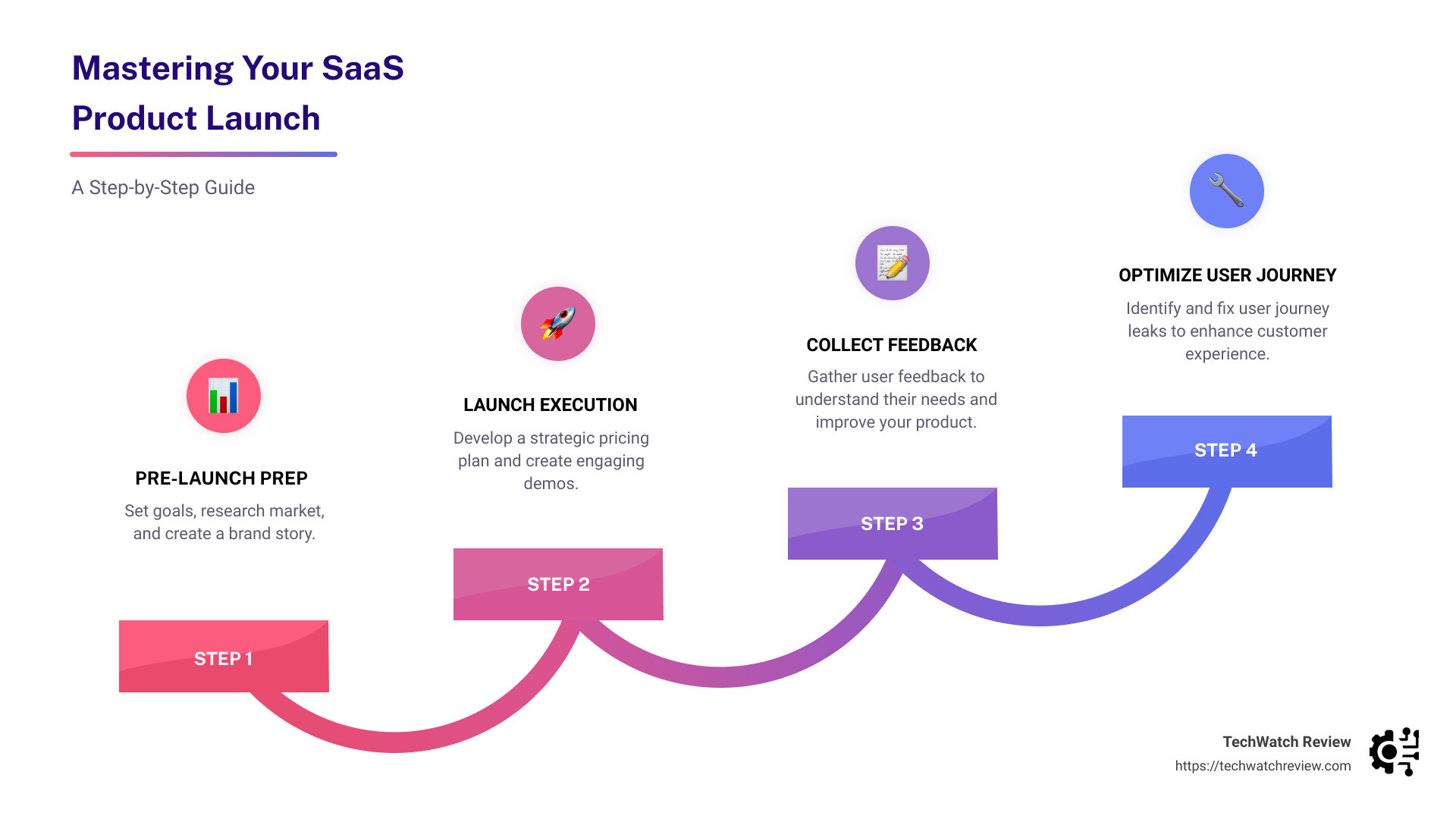
- Pre-Launch Prep: Set goals, research market, and create a brand story.
- Launch Execution: Develop a strategic pricing plan and create engaging demos.
- Post-Launch Review: Collect feedback, optimize the user journey, and keep the momentum going.
Why is this important? Because a successful launch can make or break your product in the highly competitive SaaS market. A well-prepared checklist helps ensure nothing is missed, keeping your team aligned and your strategy bulletproof.
From setting up your tech stack to releasing a press release on social media, this checklist will set you up for a seamless launch. It doesn’t just stop there; it also includes continuous improvement practices to refine your strategy for future success.

Pre-Launch Phase
Understand Your Competitive Advantage
Before you launch, it’s crucial to understand what sets your product apart. Start by analyzing your competitors. What features do they offer? What gaps can your product fill?
Questions to ask:
- What makes your product unique?
- Which benefits should you highlight to customers?
- What pain points does your product solve that others don’t?
This analysis forms the basis of your Unique Selling Proposition (USP). Your USP should shine through in all your communications—demos, website copy, and social media posts.
“Failing to align with market trends can make your product seem outdated from the start.” – Alari Aho, Founder of Toggl
Set KPIs and Goals
You can’t manage what you can’t measure. Setting Key Performance Indicators (KPIs) helps you track your launch’s success.
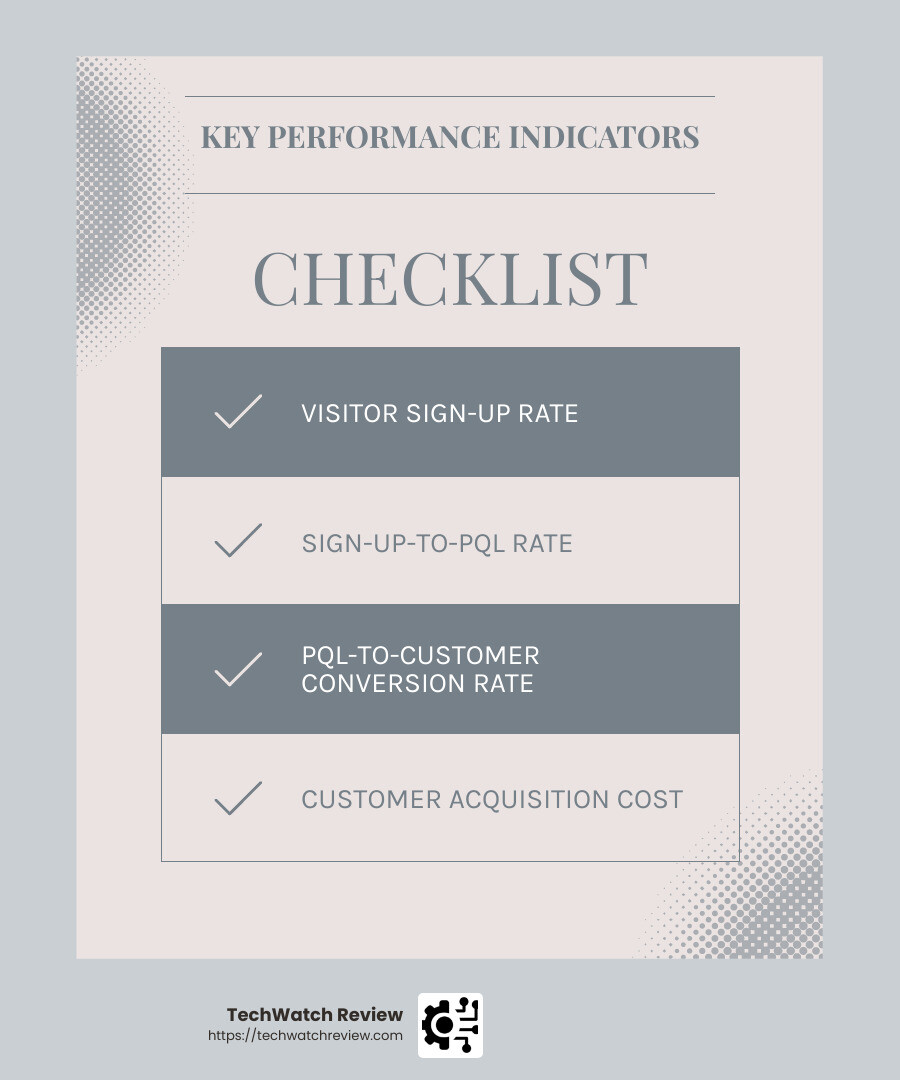
KPIs to consider:
- Visitor sign-up rate
- Sign-up-to-PQL (Product Qualified Lead) rate
- PQL-to-customer conversion rate
- Customer acquisition cost
- Retention rate
These metrics will help you gauge if you’re on the right growth trajectory. Make sure your goals are measurable and time-bound.
Learn About Your Target Market
Knowing who you’re selling to is half the battle. Conduct thorough market research to identify your target audience and their needs.
Research methods:
- Surveys and interviews: Gather first-hand data on customer thoughts and preferences.
- Google Trends: Identify popular search terms and market gaps.
- Competitor analysis: Understand what your competitors are doing right and wrong.
- Social media: Listen to what people are saying about similar products.
Create detailed buyer personas to guide your messaging and strategies.
Create a Brand Story
Your brand story is more than just a narrative—it’s a way to connect emotionally with your customers. A compelling brand story can be used across pitches, your website, and marketing materials.
Elements of a strong brand story:
- Emotional appeal: Show how your product improves lives.
- Customer connection: Focus on the customer’s journey and how your product fits into it.
- Competitive advantage: Highlight what makes your product better than the rest.
Beta Testing
Beta testing is your dress rehearsal. It allows you to test your product in the real world and gather valuable feedback.
Benefits of beta testing:
- Spot bugs: Identify and fix issues before the full launch.
- User feedback: Understand how users interact with your product.
- Product improvement: Use insights to refine features and user experience.
Invite beta users who are tech-savvy and engaged. Their feedback will be invaluable in fine-tuning your product.
“A successful beta test can yield valuable information about how an application or website works in the real world.” – TechTarget
By thoroughly preparing in these areas, you set the stage for a successful SaaS product launch. Next up, we’ll dive into the launch phase itself, where execution is key.
Launch Phase
Release Your PR on Social Media
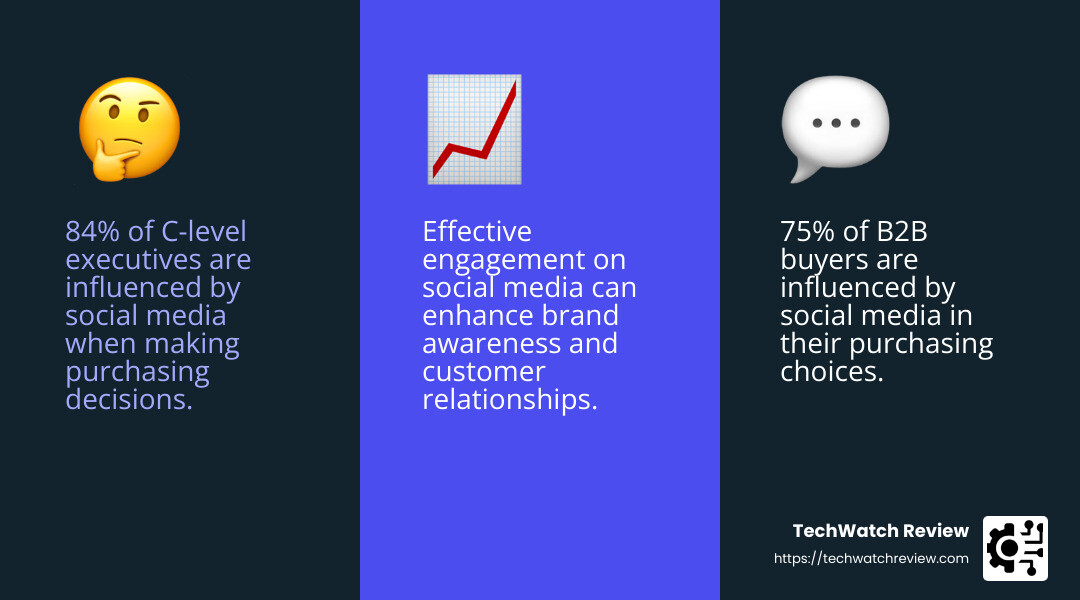
Social media is a powerful tool for generating buzz around your product launch. According to research, a significant percentage of C-level executives and B2B buyers are influenced by social media when making purchasing decisions.
Steps to take:
- Create Profiles: Start by setting up profiles on popular social networking sites like LinkedIn, Facebook, and Twitter.
- Engage Your Audience: Ask questions and engage with your audience to build a relationship.
- Use LinkedIn: LinkedIn is especially effective for B2B SaaS products. Create a company page, publish articles through LinkedIn Pulse, and keep your profile updated.
Price Strategically
Pricing can make or break your product launch. Here are four strategies to consider:
- Cost-Based Pricing: Calculate the cost of providing your service, then add a markup.
- Competitor-Based Pricing: Use competitors’ prices as a benchmark.
- Value-Based Pricing: Charge based on the value your product provides to customers.
- Penetration Pricing: Temporarily lower prices to attract customers quickly.
Create a “Lifetime Freemium” Offer
A freemium model can rapidly increase your user base and brand awareness. Offer a limited version of your product for free, with the option to upgrade for more features. This not only attracts users but also helps you build a database of potential paying customers.
Empower Your Content Marketing Strategy with SEO
Content marketing, when combined with SEO, can drive organic traffic to your site. Additionally, leveraging Enterprise DAM solutions can help SaaS businesses efficiently manage and distribute digital assets, ensuring a consistent brand experience across all marketing channels.
Key steps:
- Create Educational Content: Write blogs, create videos, or produce podcasts that educate your audience about your product and industry.
- Optimize for Search Engines: Use relevant keywords to improve your search engine ranking.
For example, use tools like Google Trends to identify popular search terms related to your product.
Show Off Your Product with a Demo
Interactive demos are crucial for showcasing your product’s capabilities.
Tools to consider:
These tools help potential customers understand your product’s value quickly, increasing the likelihood of conversion.
Post-Launch Phase
Evaluate the Launch Performance
Once your SaaS product is live, it’s crucial to evaluate how well the launch went. This is where performance metrics come into play.
Key Metrics to Track:
- Customer Acquisition Rate: How many new users signed up?
- Churn Rate: Are users sticking around or dropping off quickly?
- Engagement Metrics: How often are users interacting with your product?
Using tools like Google Analytics and Mixpanel can provide real-time data on user behavior and engagement. For example, Marc Bishop recommends these tools for tracking website traffic and user behavior, which can help you pivot and optimize your strategy as needed.
Steps to Take:
- Review Your KPIs: Compare your actual performance against the KPIs you set before the launch.
- Gather Feedback: Use surveys or direct customer feedback to understand user satisfaction.
- Analyze Data: Look at the data to identify trends and areas for improvement.
By thoroughly evaluating your launch performance, you can gain insights into what worked and what didn’t, setting the stage for future success.
Identify and Fix User Journey Leaks
After launching, you might notice that users drop off at specific points in their journey. Identifying and fixing these leaks is essential for improving your conversion rate.
Common Friction Points:
- Onboarding Process: Is it too complicated?
- Feature Usage: Are users confused about how to use key features?
- Checkout Process: Are there too many steps?
Tools to Use:
- Funnel Analysis: Helps you identify where users drop off.
- Userpilot: Allows for segmentation and personalized user experiences.
For instance, using a tool like Userpilot can help you segment customers and provide a custom experience, reducing churn and increasing engagement.
Build Hype and Offer Discounts
Building hype around your product is not just for the pre-launch phase; it’s equally important post-launch.
Strategies to Build Hype:
- Teaser Campaigns: Release snippets of upcoming features.
- Influencer Marketing: Collaborate with influencers to reach a broader audience.
Offering Discounts:
- Early Bird Discounts: Offer a percentage off for users who sign up within a specific period.
- Trial Periods: Allow users to access premium features for free for a limited time.
A well-structured discount strategy can attract new users and encourage existing ones to upgrade. According to research, offering discounts during the launch phase can significantly boost user acquisition.
Share the Product Roadmap
Transparency is key to building customer loyalty. Sharing your product roadmap can help set realistic expectations and keep users engaged.
Benefits of Sharing the Roadmap:
- Build Trust: Users appreciate knowing what to expect.
- Gather Feedback: Customers can provide input on upcoming features.
- Increase Engagement: Keeps users excited about future updates.
For example, you can share your roadmap via email newsletters or a dedicated section on your website. This strategy not only keeps users informed but also makes them feel like they are part of your product’s journey.
By focusing on these post-launch activities, you can ensure continuous improvement and sustained user engagement. Next, let’s dive into some frequently asked questions about the SaaS product launch checklist.
Frequently Asked Questions about SaaS Product Launch Checklist
How do you launch a SaaS product?
Launching a SaaS product involves three main phases: pre-launch, launch, and post-launch.
Pre-Launch Phase:
- Understand Your Competitive Advantage: Analyze competitors and pinpoint what makes your product unique. This helps in crafting a compelling value proposition.
- Set KPIs and Goals: Establish key performance indicators like visitor sign-up rate and PQL (product qualified lead) rate to measure success.
- Learn About Your Target Market: Conduct market research to understand your audience’s needs and pain points.
- Create a Brand Story: Develop a compelling narrative that resonates emotionally with your audience.
- Beta Testing: Release your product to a small group of users to gather feedback and make improvements.
Launch Phase:
- Release Your PR on Social Media: Use platforms like LinkedIn, Facebook, and Twitter to generate buzz.
- Price Strategically: Choose a pricing model that aligns with your market positioning.
- Create a “Lifetime Freemium” Offer: Attract users by offering a free version with essential features.
- Empower Your Content Marketing Strategy with SEO: Ensure your content is optimized for search engines to attract organic traffic.
- Show Off Your Product with a Demo: Use interactive demos to showcase your product’s features.
Post-Launch Phase:
- Evaluate the Launch Performance: Measure metrics like customer acquisition rate and churn rate to assess success.
- Identify and Fix User Journey Leaks: Use tools like Userpilot to analyze where users drop off and improve the user experience.
- Build Hype and Offer Discounts: Continue generating excitement and offer discounts to attract new users.
- Share the Product Roadmap: Keep users engaged by sharing future updates and gathering feedback.
How can you measure the success of your SaaS product launch?
Several KPIs can help you gauge the success of your SaaS product launch:
- Visitor Sign-up Rate: The percentage of website visitors who sign up.
- Sign-up-to-PQL Rate: The percentage of sign-ups that become product qualified leads.
- PQL-Customer Rate: The percentage of PQLs that convert into paying customers.
Other Important Metrics:
- Customer Acquisition Cost (CAC): The cost to acquire a new customer.
- Customer Activation Rate: The percentage of users who take a key action that signifies they understand the product’s value.
- Retention Rate: The percentage of users who continue using the product over a period.
- Net Promoter Score (NPS): Measures customer satisfaction and likelihood to recommend your product.
Using tools like Google Analytics and Mixpanel can provide real-time data to track these metrics. Evaluate these KPIs regularly to understand what’s working and what needs improvement.
How long does it take to launch a SaaS product?
The timeline for launching a SaaS product can vary, but it generally involves several months of preparation, execution, and post-launch activities.
Typical Timeline:
- Pre-Launch (3-6 months): This phase includes market research, competitor analysis, setting KPIs, and beta testing.
- Launch (1-2 weeks): The actual launch period where marketing campaigns are in full swing.
- Post-Launch (ongoing): Continuous evaluation, user feedback collection, and product improvements.
Preparation Steps:
- Market Research: Understand the competitive landscape and target audience.
- Beta Testing: Gather feedback from a small group of users to refine the product.
- Marketing Plan: Develop a comprehensive strategy to promote your product.
Execution Steps:
- Product Launch: Simultaneously launch on multiple platforms like LinkedIn, Reddit, and ProductHunt.
- Monitor Performance: Use real-time analytics to track key metrics.
By following this structured approach, you can ensure a successful SaaS product launch and set the stage for long-term success.
Launching a SaaS product is a complex process involving meticulous planning and execution. Our comprehensive guide at TechWatch Review aims to simplify this journey, providing you with a detailed SaaS product launch checklist. This checklist ensures that every aspect of your launch—from pre-launch preparation to post-launch evaluation—is covered, making it easier for you to achieve a successful launch.
Consider the critical steps outlined in our guide:
- Understanding Your Competitive Advantage: Conduct a thorough competitor analysis to define your unique selling proposition.
- Setting KPIs and Goals: Establish clear performance indicators to measure your success.
- Learning About Your Target Market: Perform in-depth market research to understand your audience.
- Creating a Brand Story: Develop a compelling narrative that resonates with your audience.
- Beta Testing: Gather valuable feedback from a small user group to fine-tune your product.
In the Launch Phase, focus on strategic pricing, leveraging social media for PR, and showcasing your product through interactive demos. Post-launch, evaluate performance metrics, fix user journey leaks, and build ongoing hype to keep users engaged.
For more insights and comparisons, visit our Marketing Software category page.
By following this structured approach, you can ensure a successful SaaS product launch and set the stage for long-term success.