Table of Contents
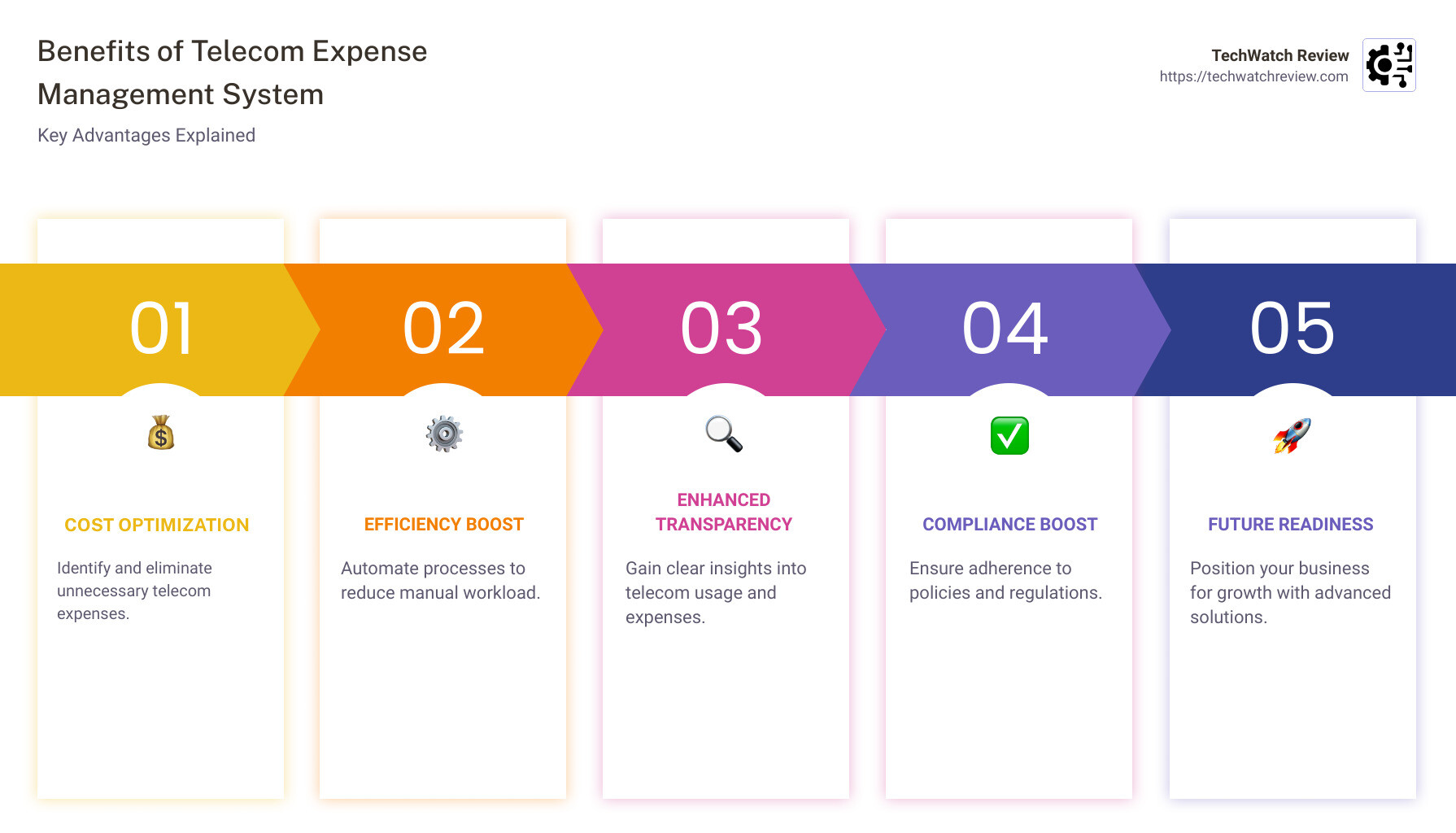
When it comes to controlling telecom costs and boosting efficiency, the telecom expense management system emerges as a crucial tool for businesses. This system helps organizations manage and optimize their telecom expenses, ensuring they stay on budget and operate at peak efficiency. Here’s a quick look at what a telecom expense management system can do:
- Optimize Costs: Detects unnecessary expenses and helps in negotiating better carrier deals.
- Increase Efficiency: Automates expense processing, reducing the need for manual intervention.
- Improve Transparency: Provides clear insights into telecom usage and spending patterns.
- Boost Compliance: Ensures adherence to policies and regulatory requirements.
In today’s rapidly evolving telecom landscape, where technology and connectivity are paramount, managing expenses efficiently can make all the difference to a business’s bottom line. As telecom services expand—driven by advances in 5G, IoT, and cloud technologies—the complexity and cost of managing these resources also rise. Telecom expense management systems are not just about cutting costs; they’re about using cutting-edge technology to position businesses for future growth and innovations.
Understanding and implementing a telecom expense management system is vital for any business that wants to stay competitive and agile in the digital age. With companies like Tangoe and Cass offering comprehensive solutions, organizations can leverage these tools for smarter decision-making and strategic control over telecom expenses.

Find more about telecom expense management system:
A telecom expense management system (TEM) is a software solution that helps businesses manage, control, and optimize the costs associated with their telecommunications services. This includes everything from phone lines and mobile devices to data plans and internet services. TEM systems provide a centralized platform for businesses to track telecom expenses, manage contracts, and ensure compliance with telecom policies.
Key Features of Telecom Expense Management Systems
-
Data Collection and Integration: TEM systems gather data from various sources, like invoices and service providers, to provide a comprehensive view of telecom expenses. This integration helps in maintaining accurate records and facilitates better decision-making.
-
Invoice Processing and Verification: By automating the processing of telecom invoices, these systems extract relevant data and verify it against contracted rates. This helps identify discrepancies, overcharges, or billing errors, saving both time and money.
-
Inventory Management: Keeping track of all telecom assets, such as devices and phone lines, is crucial. TEM systems offer a centralized inventory to manage these resources efficiently.
-
Usage Monitoring and Optimization: Monitoring usage patterns helps identify underused services or excessive usage. This feature aids in optimizing plans and reducing costs.
-
Cost Allocation and Analysis: TEM systems allocate costs to specific departments or projects, offering detailed analysis to understand spending patterns and identify areas for cost optimization.
-
Policy Enforcement: Ensures compliance with telecom usage policies by triggering alerts when usage violates established guidelines.
-
Reporting, Analytics, and Audits: Comprehensive reporting and analytics provide insights into expenses, trends, and savings opportunities. This feature supports compliance and facilitates audits.
-
Contract Management: TEM systems track contract terms and renewal dates, helping businesses negotiate better terms and optimize contracts based on usage patterns.
-
Vendor Management: Managing relationships with telecom service providers is streamlined, with tools to evaluate vendor performance and track service levels.
-
Mobility Management: This includes managing mobile devices, optimizing mobile plans, and ensuring security, all of which contribute to cost reduction and efficiency.
Benefits of Implementing a Telecom Expense Management System
Implementing a telecom expense management system can lead to significant benefits:
-
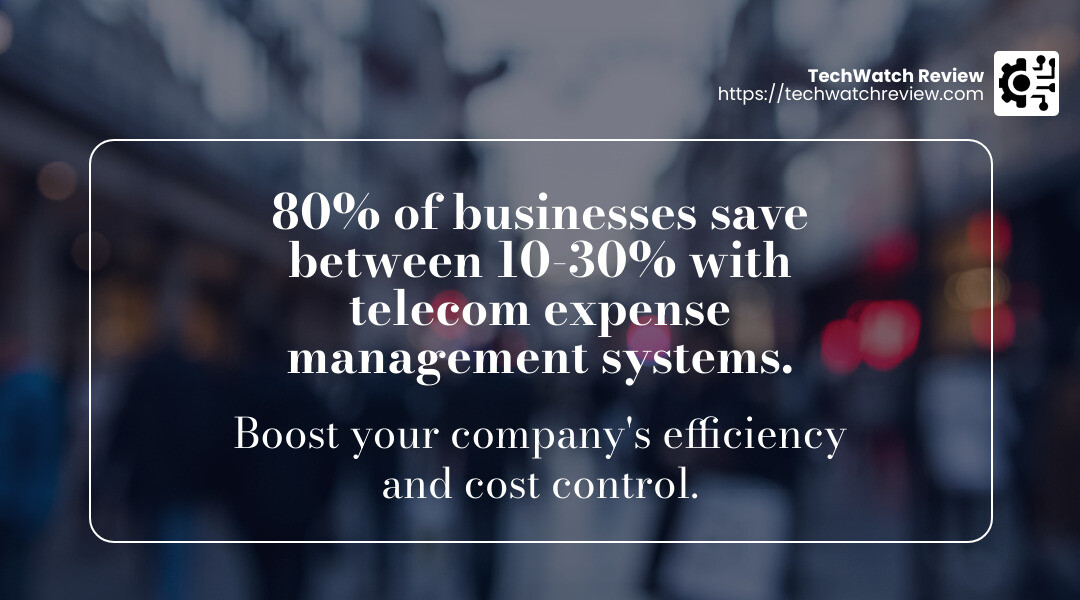
Cost Savings: By identifying and eliminating unnecessary expenses and optimizing service plans, businesses can achieve substantial cost savings.
-
Operational Efficiency: Automation of manual processes reduces errors and frees up valuable time for employees to focus on strategic tasks.
-
Transparency: With detailed insights into telecom usage and spending, businesses can make informed decisions and maintain financial transparency.
-
Productivity: By streamlining telecom management, employees can access the tools they need without delays, boosting overall productivity.
-
Financial Sustainability: Effective cost management ensures that telecom expenses align with the organization’s budget, contributing to long-term financial health.
In summary, a telecom expense management system is essential for businesses looking to manage their telecom expenses efficiently. With features like data integration, invoice processing, and usage monitoring, these systems help organizations optimize costs, improve efficiency, and maintain financial sustainability.
Top Telecom Expense Management Systems in the Market
When it comes to managing telecom expenses efficiently, several top solutions stand out. Let’s explore the key players in the telecom expense management system market: Tangoe, Cass, Telesoft, RadiusPoint, and Cimpl. Each offers unique features that cater to different business needs.
Tangoe One Telecom
Tangoe One Telecom is known for its granular visibility and robust cost control features. With automation at its core, Tangoe streamlines financial management processes. It provides real-time insights into telecom expenses, helping businesses make informed decisions. Tangoe’s platform also offers advanced reporting and analytics, enabling companies to track spending trends and optimize costs.
Cass Telecom Expense Management
Cass Telecom Expense Management delivers a complete solution for managing telecom expenses. It excels in working with various service providers, ensuring accurate cost management. Cass’s system integrates seamlessly with existing enterprise systems, offering flexibility and scalability. This makes it an ideal choice for businesses seeking a comprehensive approach to telecom expense management.
Telesoft Telecom Expense Management
Telesoft offers a cloud-hosted solution that simplifies telecom expense management. Known for its billing services and call monitoring capabilities, Telesoft enables businesses to manage telecom expenses with ease. The platform provides detailed insights into call usage, helping organizations identify cost-saving opportunities and optimize their telecom plans.
RadiusPoint Telecom Expense Management
RadiusPoint focuses on easy management of telecom expenses, ensuring timely invoices and comprehensive reporting. Its user-friendly interface simplifies the process of tracking and analyzing telecom costs. RadiusPoint’s system automates many manual tasks, reducing errors and freeing up valuable time for businesses to focus on strategic initiatives.
Cimpl Telecom Expense Management
Cimpl stands out for its in-depth reviews and positive user feedback. The platform offers robust cost tracking features, allowing businesses to monitor telecom expenses closely. With Cimpl, organizations can gain a clear understanding of their telecom spending patterns and make data-driven decisions to optimize costs.
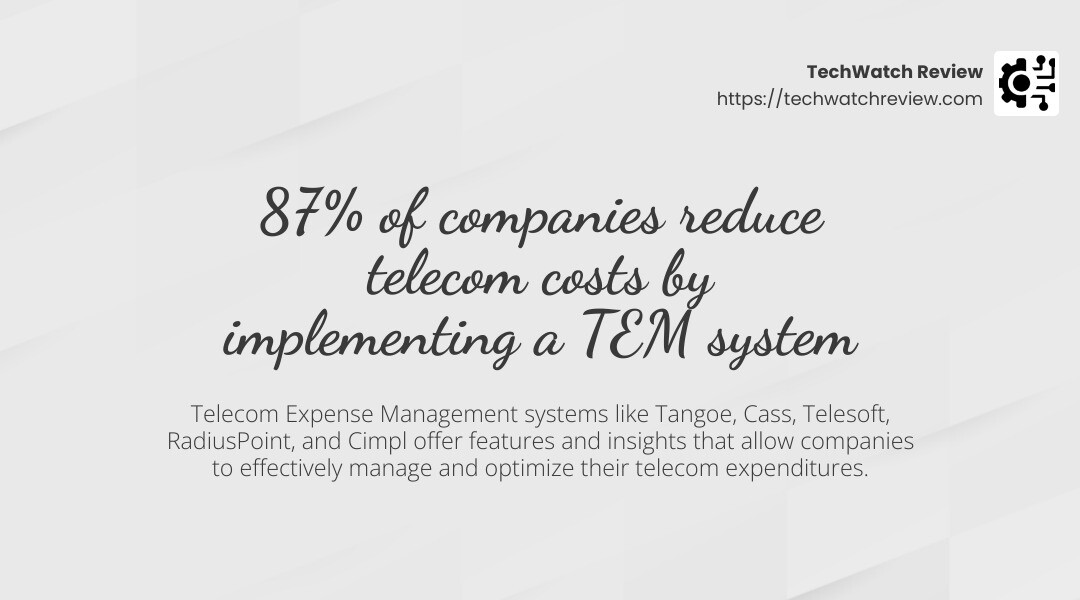
These top telecom expense management systems provide businesses with the tools they need to gain control over their telecom expenses. Whether it’s through automation, comprehensive solutions, or user-friendly interfaces, each system offers unique benefits that cater to different organizational needs. By choosing the right system, businesses can achieve significant cost savings and operational efficiency.
How to Choose the Right Telecom Expense Management System
Choosing the right telecom expense management system is crucial for controlling costs and improving efficiency. Here are key factors to consider:
Support and Customer Service
Support is vital. Determine the level of support you need. Some companies offer 24/7 help, while others may only be available during business hours. If your team is small or lacks technical expertise, consider a vendor that provides robust support options, including training and managed services.
Expenses and Cost Effectiveness
Evaluate the total cost of ownership. This includes setup fees, subscription costs, and any hidden charges. Assess potential savings and the return on investment (ROI) the system can deliver. For instance, Tangoe One Telecom is known for delivering significant savings by providing real-time insights into telecom expenses.
Inventory Management
A strong inventory management feature is essential. This means your system should automatically track all telecom assets, like phone numbers and IP addresses, and keep them organized in a central inventory. Regular updates and audits ensure accuracy and help avoid overspending on unused services.
Scalability and Flexibility
Your chosen system should scale with your business. As your company grows, your telecom needs will change. Ensure the system is flexible enough to handle various services, locations, and devices. Cimpl, for example, offers robust cost tracking that adapts to changing business requirements.
Key Features
Look for features that match your needs. Essential features include invoice processing, usage monitoring, cost allocation, and reporting. A system like Cass Telecom Expense Management offers a complete solution with seamless integration capabilities.
Integration with Existing Systems
Check how well the system integrates with your current ERP, accounting, and procurement systems. Seamless integration reduces manual data entry and improves data accuracy. Cass excels in this area, offering flexible integration options.
User-Friendliness
A user-friendly interface ensures your team can easily steer the system. This improves adoption and efficiency. RadiusPoint is noted for its easy-to-use platform, which simplifies telecom expense management.
Vendor Reputation and Experience
Research the vendor’s reputation and track record. Look for customer reviews, case studies, and references. A vendor with a strong reputation, like Telesoft, often indicates reliability and quality service.
Compliance and Data Security
Ensure the system complies with industry regulations and standards. Data security is critical, especially when dealing with sensitive financial information. Verify that the system follows best practices for data protection and privacy.
Customer Support
Evaluate the level of customer support offered. Adequate support is essential for successful implementation and ongoing use. Some vendors offer extensive training and onboarding to ensure your team is comfortable with the system.
By considering these factors, you can select a telecom expense management system that aligns with your organization’s goals and effectively manages telecom expenses. This decision will lead to cost savings, improved efficiency, and better financial control.
Frequently Asked Questions about Telecom Expense Management Systems
What is a telecom expense management system?
A telecom expense management system (TEM) is a tool that helps companies track, manage, and reduce costs associated with telecom services. This includes everything from phone lines and mobile devices to data plans and internet services. TEM systems collect data from invoices, contracts, and usage reports to provide a clear view of telecom expenses.
TEM systems are vital for cost control and efficiency. They help businesses identify unnecessary spending and optimize their telecom services. With features like invoice processing and usage monitoring, companies can ensure they are only paying for what they need. For more insights on how TEM systems can benefit your business, you can explore this article on telecom cost management.
How much does a telecom expense management system cost?
The cost of a telecom expense management system varies based on several factors. Typically, costs include initial setup fees, ongoing subscription charges, and potential customization expenses. Some systems charge based on a percentage of telecom spend, while others have a flat fee structure.
When evaluating costs, consider the potential savings a TEM system can deliver. For instance, systems like Tangoe One Telecom provide real-time insights, which can lead to significant cost reductions by eliminating wasteful expenses. To understand more about cost structures, check out this detailed guide on TEM pricing.
What are the key features of a telecom expense management system?
A robust TEM system includes several key features to manage telecom expenses effectively:
-
Data Collection and Integration: Collects data from invoices, contracts, and usage reports. Systems should integrate seamlessly with existing enterprise systems for accurate data flow.
-
Invoice Processing and Verification: Automates the processing of telecom invoices, ensuring charges match contracted rates and identifying discrepancies.
-
Inventory Management: Maintains a centralized inventory of all telecom assets, such as devices and data plans, to prevent overspending on unused services.
-
Usage Monitoring and Optimization: Tracks usage patterns to identify underused services and optimize telecom plans.
-
Cost Allocation and Analysis: Allocates costs to specific departments or projects and provides detailed analysis for cost optimization.
-
Policy Enforcement: Ensures compliance with company telecom usage policies and alerts when violations occur.
-
Reporting and Analytics: Offers comprehensive reports and analytics, providing insights into expenses and savings opportunities.
-
Contract Management: Manages contract terms and renewal dates to negotiate better rates and terms.
-
Vendor Management: Assists in managing relationships with service providers, evaluating performance, and ensuring service level agreements are met.
-
Mobility Management: Focuses on managing mobile devices, optimizing plans, and ensuring security.
Choosing a TEM system with these features ensures efficient management of telecom expenses, leading to improved cost control and operational efficiency. For example, Cass Telecom Expense Management offers a comprehensive solution that covers all these aspects, ensuring businesses have full control over their telecom spending. To explore more about these features, visit this resource on TEM features.
These features make TEM systems indispensable for organizations looking to streamline their telecom operations and achieve financial sustainability.
Conclusion
In the world of telecommunications, managing expenses can be a daunting task. However, with the right telecom expense management system (TEM), businesses can achieve significant cost control and efficiency. These systems are designed to streamline telecom operations, providing transparency and insight into spending patterns.
At TechWatch Review, we understand the importance of making informed decisions. Our goal is to equip you with the knowledge needed to steer the complex landscape of telecom expense management. By exploring top systems like Tangoe One Telecom and Cass Telecom Expense Management, we aim to guide you towards solutions that align with your business needs.
Cost control is a primary benefit of implementing a TEM system. By automating invoice processing, monitoring usage, and managing contracts, businesses can identify and eliminate unnecessary expenses. This leads to more predictable budgeting and substantial cost savings.
Efficiency is another advantage. TEM systems simplify complex processes, allowing organizations to focus on core business activities. With features like real-time reporting and inventory management, companies gain a comprehensive view of their telecom assets and expenses. This visibility is crucial for making strategic decisions and optimizing telecom resources.
In conclusion, a well-chosen TEM system is an investment in your organization’s future. It not only improves financial sustainability but also improves operational efficiency. For more insights and expert reviews on telecom software, visit TechWatch Review. Let us help you make the best choices for your telecom management needs.