Table of Contents
Best free no code development platforms have revolutionized the way individuals and small businesses approach app and digital solution creation. By eliminating the need for advanced coding skills, these platforms enable users to develop applications with ease and efficiency. Here are some popular options:
- Webflow – Perfect for crafting responsive websites using a visual canvas. Learn more about its features here.
- Bubble – Provides a robust app builder with visual components and extensive customization. Discover more here.
- Glide – Converts spreadsheets into sleek progressive web apps. Explore its capabilities here.
- Thunkable – Ideal for mobile app development with intuitive drag-and-drop functionality. Find out more here.
- Airtable – Merges the simplicity of spreadsheets with powerful database functionalities. Check it out here.
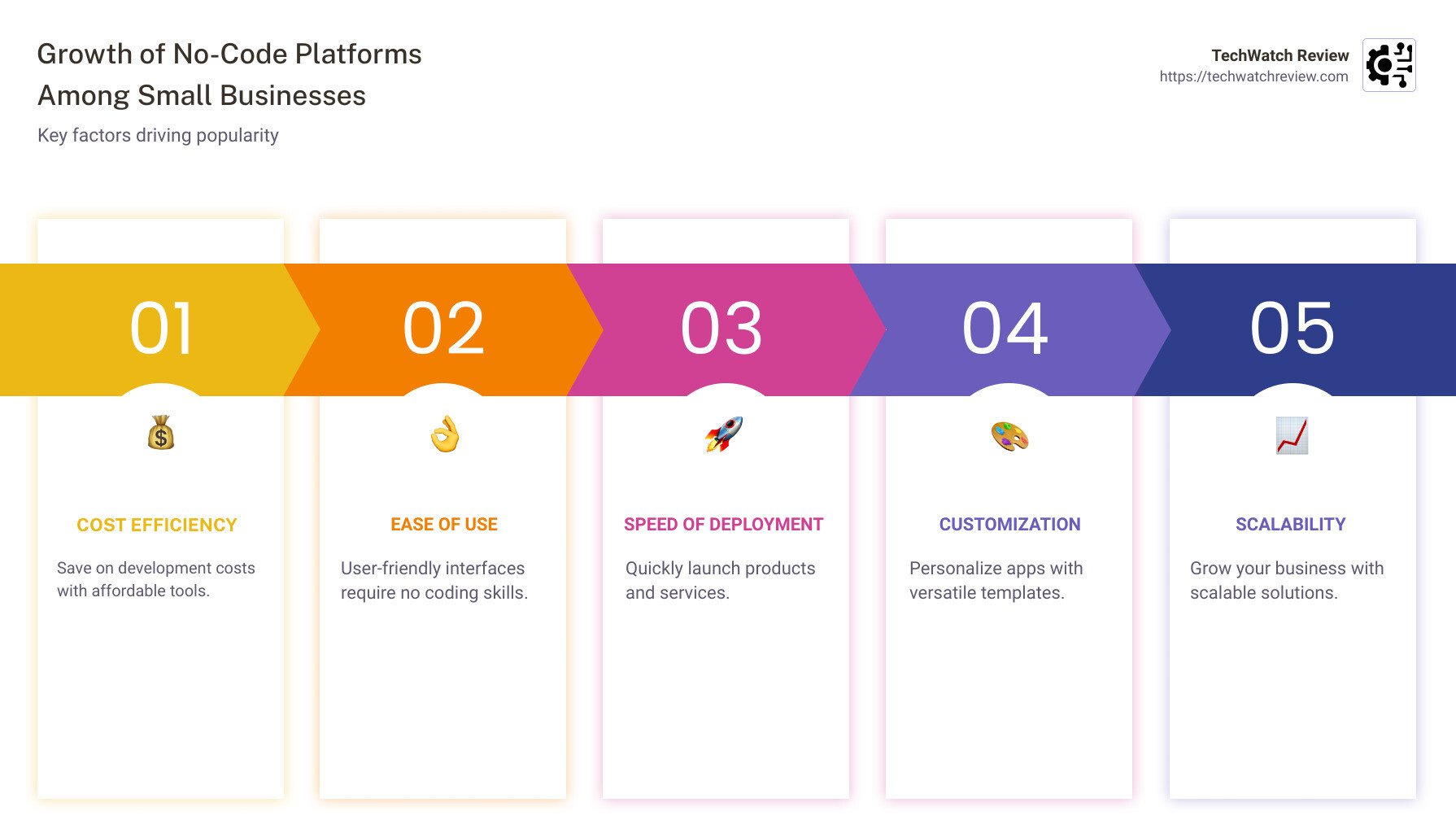
In today’s fast-paced technological landscape, having access to user-friendly and cost-effective tools is crucial. No-code platforms are particularly beneficial for startups and small businesses, as they democratize tech development and allow creators to bring their ideas to life efficiently and affordably. Whether you’re launching a new product or optimizing operations, these tools can save time and resources, providing a competitive edge in the digital world.
Quick best free no code development platforms terms:
– free no code platform software
– no code web apps
– no code ecommerce platform

No-code development platforms are tools that allow you to create applications without writing a single line of code. Instead of traditional coding, these platforms use graphical user interfaces (GUIs) to simplify the app-building process. This means you can drag and drop elements, like buttons and images, to design your app visually.
Empowering Non-Programmers
One of the most significant benefits of no-code platforms is their ability to democratize software development. By making app creation accessible to non-programmers, these tools empower a wider audience to bring their ideas to life. Whether you’re a small business owner or a creative professional, you can develop functional applications without needing extensive technical skills. For more insights on how no-code platforms are transforming industries, check out this article on TechWatch Review.
How It Works
No-code platforms work by providing pre-built components and templates. You can easily customize these elements to fit your needs, whether you’re building a website, a mobile app, or a complex database solution. This approach saves time and lowers costs, making it an attractive option for startups and small businesses. Learn more about the cost benefits of no-code solutions in this TechWatch Review article.
Real-World Impact
The rise of no-code tools has led to a surge in innovation, as more people can participate in the digital change. For example, platforms like Bubble and Webflow have enabled users to create professional-quality apps and websites without hiring a developer. This shift not only fosters creativity but also accelerates the development process, allowing businesses to adapt quickly to market changes. Discover how businesses are leveraging no-code tools in this case study on TechWatch Review.
10 Best Free No-Code Development Platforms
Webflow
Webflow is a powerhouse in the no-code website building space. It’s perfect for creating professional websites, from SaaS platforms to ecommerce stores. With its intuitive visual canvas, you can design your site by dragging and dropping elements, making it accessible even if you’re not a coding expert. Webflow offers a wide range of templates that you can fully customize to fit your brand’s needs. This flexibility allows you to bring your unique website vision to life without writing a single line of code.
Check out Webflow to start building your site today.
Bravo
If you’re a designer looking to turn your creations into mobile apps, Bravo is the tool for you. It seamlessly converts Figma or Adobe XD designs into native apps for iOS and Android. Bravo allows you to connect your designs to various databases and APIs, giving your app the functionality it needs. The platform’s ease of use and direct publishing capabilities make it a favorite among designers who want to see their apps in action without the hassle of coding.
Explore more about Bravo at Bravo Studio.
Mailchimp
Mailchimp is a well-known platform for marketing automation. It helps businesses understand and expand their customer base. With tools for conducting surveys, launching social media campaigns, and managing customer data, Mailchimp is an all-in-one marketing solution. It also offers numerous integrations with other software like Square and LiveChat, making it versatile for any business’s marketing needs.
Visit Mailchimp to learn how it can boost your marketing efforts.
Parabola
For those dealing with complex data workflows, Parabola is a lifesaver. It simplifies data integration and automation with its drag-and-drop interface. Parabola makes it easy to pull data from sources like Salesforce and Shopify, automate repetitive tasks, and transform data without writing any code. This tool is essential for businesses looking to streamline their data processes efficiently.
Find more about Parabola at Parabola.
Voiceflow
Voiceflow is a leading platform for building voice apps and chatbots. With its drag-and-drop interface, you can create conversational experiences for platforms like Google Assistant and Alexa without any coding. Voiceflow integrates AI to improve the functionality and user experience of your voice applications, making it a top choice for those looking to enter the voice technology space.
Learn more about Voiceflow at Voiceflow.
Bubble
Bubble is an app builder that allows you to create complex web applications with ease. It offers visual components like dashboards, CRMs, and social networks, enabling you to build fully functional apps without needing to code. Bubble’s flexibility and comprehensive feature set make it ideal for entrepreneurs and startups looking to develop custom applications quickly.
Check out Bubble to start building your app today.
Airtable
Airtable combines the simplicity of spreadsheets with the power of databases. It’s perfect for project management and collaboration, allowing teams to organize their work effectively. With Airtable, you can create custom databases custom to your needs, making it a versatile tool for managing projects and data.
Visit Airtable to see how it can streamline your workflows.
Glide
Glide transforms spreadsheets into progressive web apps. By connecting with platforms like Google Sheets, Glide allows you to build apps using your existing data. It offers a variety of templates to get you started, making it a great choice for anyone looking to create web apps quickly and easily.
Explore Glide at Glide.
Adalo
Adalo makes building web and mobile apps a breeze with its drag-and-drop interface. It provides a range of interactive features and templates, allowing you to create apps that engage users. Whether you’re building an app for iOS or Android, Adalo’s user-friendly platform helps you bring your app ideas to life.
Learn more about Adalo at Adalo.
Thunkable
Thunkable is known for its simplicity in mobile app development. With its drag-and-drop interface, you can create apps for both iOS and Android without coding. Thunkable supports various open source projects, making it a flexible tool for developers of all levels.
Visit Thunkable to start developing your mobile app today.
Best Free No-Code Development Platforms for Specific Use Cases
When it comes to no-code development, different platforms excel in various areas. Here’s a breakdown of some of the best free no-code development platforms custom to specific use cases:
Best for Website Building
Webflow is a top choice for building professional websites without writing code. It offers a visual canvas and a variety of templates for creating anything from SaaS websites to ecommerce stores. With full customization options, Webflow empowers users to bring their website ideas to life quickly. Start exploring Webflow here.
Glide is another excellent platform for turning spreadsheets into progressive web apps. By connecting with Google Sheets, Glide lets you build apps using your existing data, making it perfect for quick and easy web app creation. Check out Glide here.
Best for Mobile App Development
Bravo stands out for converting Figma or Adobe XD designs into native mobile apps for iOS and Android. Its “bring your own design and backend” approach makes it popular among designers. Explore Bravo here.
Thunkable is known for its drag-and-drop interface that simplifies mobile app development for both iOS and Android. Its support for open source projects makes it flexible for developers. Visit Thunkable here.
Adalo also offers a user-friendly platform for building web and mobile apps. With a range of interactive features and templates, Adalo helps you create engaging apps effortlessly. Learn more about Adalo here.
Best for Data Management
Airtable combines the simplicity of spreadsheets with the power of databases, making it ideal for project management and collaboration. It allows you to create custom databases custom to your needs. Find Airtable here.
Parabola is perfect for those dealing with complex data workflows. Its drag-and-drop interface simplifies data integration and automation, making it essential for streamlining data processes. Find out more about Parabola here.
Mailchimp is not just for marketing; its powerful integrations and data management features make it versatile for managing customer information and automating marketing tasks. Learn about Mailchimp here.
Best for Voice and Chatbot Development
Voiceflow is a leading platform for creating voice apps and chatbots. With its intuitive drag-and-drop interface, you can build conversational experiences for platforms like Google Assistant and Alexa. Explore Voiceflow here.
Landbot offers an engaging way to build conversational experiences on websites. It’s perfect for creating chatbots that provide interactive user experiences.
Zapier excels in automating workflows and connecting various apps and services. It’s a powerful tool for setting up triggers and actions without any coding, making it ideal for automating repetitive tasks. Learn more about Zapier here.
These platforms highlight the diverse capabilities of no-code tools, helping you choose the best option for your specific project needs. Whether you’re building a website, mobile app, managing data, or developing voice applications, there’s a no-code platform to support your vision.
Frequently Asked Questions about the Best Free No-Code Development Platforms
What is the best free no-code development platform for beginners?
For beginners, Webflow, Bravo, and Airtable stand out as excellent choices among the best free no-code development platforms.
Webflow is particularly user-friendly for those looking to create professional websites. Its visual canvas and pre-built templates make it easy for beginners to start without prior coding knowledge. The platform offers intuitive drag-and-drop tools, allowing users to customize their site designs effortlessly. Explore Webflow here.
Bravo is ideal for beginners interested in mobile app development. By converting Figma or Adobe XD designs into native apps, Bravo simplifies the process. It allows you to bring your design ideas to life with ease. Find Bravo here.
Airtable combines the simplicity of spreadsheets with database functionality, making it perfect for beginners managing projects or collaborating with teams. Its straightforward interface allows users to create custom databases without technical expertise. Learn more about Airtable here.
Are no-code development platforms secure?
Yes, established no-code development platforms prioritize security. They incorporate robust security features such as user authentication, data encryption, and compliance with industry standards like GDPR and HIPAA. These measures ensure that your data is protected and that only authorized users can access sensitive information.
For instance, platforms like Bubble and Glide offer built-in user authentication systems to manage user access securely. Additionally, they provide data protection measures, ensuring that your application data remains safe from unauthorized access. It’s crucial to choose a platform that aligns with your security requirements and regularly updates its security protocols to address new threats.
Can I build a professional app with no-code tools?
Absolutely! No-code tools are designed to help users build professional quality applications without writing code. These platforms offer a range of customization options and scalability features to ensure your app can grow with your business needs.
Bubble is known for its powerful app-building capabilities, allowing users to create complex applications with visual components, dashboards, and CRMs. Its flexibility enables you to design apps custom to your specific requirements. Check out Bubble here.
Glide and Adalo provide tools to build both web and mobile apps with interactive features. These platforms support scalability, allowing your application to handle increased user loads and data as your business expands. With no-code tools, you can achieve a professional finish, making them a viable option for businesses of all sizes.
In the rapidly evolving world of technology, no-code development platforms are revolutionizing the way applications are built, empowering individuals and businesses alike to bring their ideas to life without the need for extensive coding knowledge. These tools are not just a trend; they’re a transformative force in software development.
The Benefits of No-Code Tools
No-code platforms offer numerous advantages, especially for startups and small businesses. They significantly reduce the time and cost associated with traditional app development. With drag-and-drop interfaces and pre-built templates, users can quickly create functional and visually appealing applications. This democratization of technology allows non-programmers to participate actively in digital change, fostering innovation and creativity.
Empowering Non-Programmers
One of the most remarkable aspects of no-code platforms is their ability to empower individuals without a technical background. By lowering the barriers to entry, these tools enable anyone with a vision to develop applications. This inclusivity promotes diverse perspectives in tech innovation, leading to more varied and user-centric solutions.
The Future of Software Development
The future of software development is intertwined with the growth of no-code and low-code platforms. As these tools continue to evolve, we can expect even more advanced features and integrations. The lines between low-code and no-code are blurring, offering users greater flexibility and power. According to a Zapier report, the number of no-code users is expected to grow by 40% by 2025, highlighting the increasing reliance on these platforms.
At TechWatch Review, we are committed to providing expert insights and reviews on the latest technology trends. Our goal is to help you steer the ever-changing landscape of no-code development tools, making informed decisions that drive your success. As no-code platforms continue to shape the future of technology, we are excited to see how they will empower creators and redefine the possibilities of software development. For more insights, check out our article on Top No-Code Tools for 2023.